Family history
This story is compiled from documents, family manuscripts and stories from relatives. Everything said is based on the cards in the tree; where information is inaccurate or only assumed, it is written so. Click on the name to open the person's card - there are sources and a place to comment.
Seven genera converge in the tree. According to Igor's father - Melnikovs from the Tula village of Chernyaevka and Bushins with the Fetisovs from neighboring Lidinka; both families later settled near Podolsk and Lopasnya. By mother - Calugaryan and Pleshu from the Bessarabian village of Kapaklia. According to Elena - Kolodina from the Volga Puchezh, Figurovsky from Kostroma, Kamyshanovs from Novorossiysk and Chebanovs. They all meet in two girls - Maria (2010) and Alice (2016).
Part one. Origins
~1860Kolodin: townspeople from Puchezh
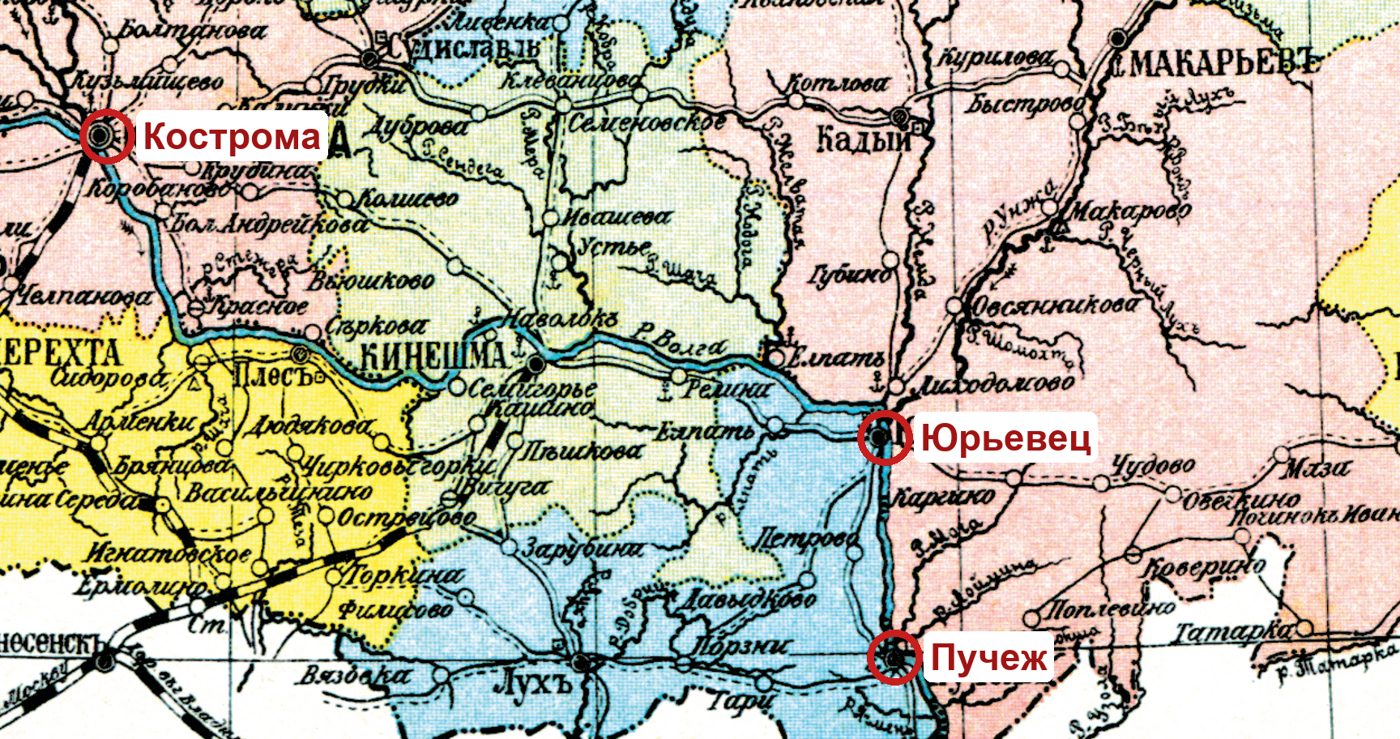
The earliest that family memory reaches is Puchezh, a small town on the Volga (then Yuryevets district of Kostroma province, now Ivanovo region). The townsfolk lived there Semyon and Anna Kolodiny. The pedigree, which Ekaterina Konstantinovna drew in 2001, opens with the signature “five generations since ~1860.” - around then they were born.
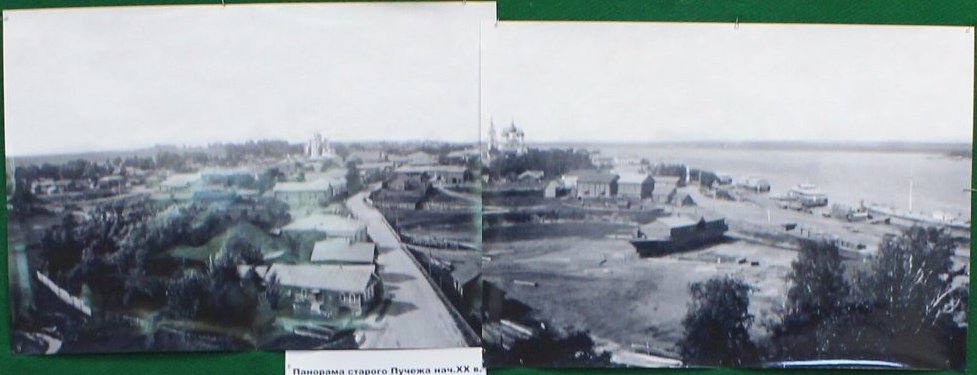
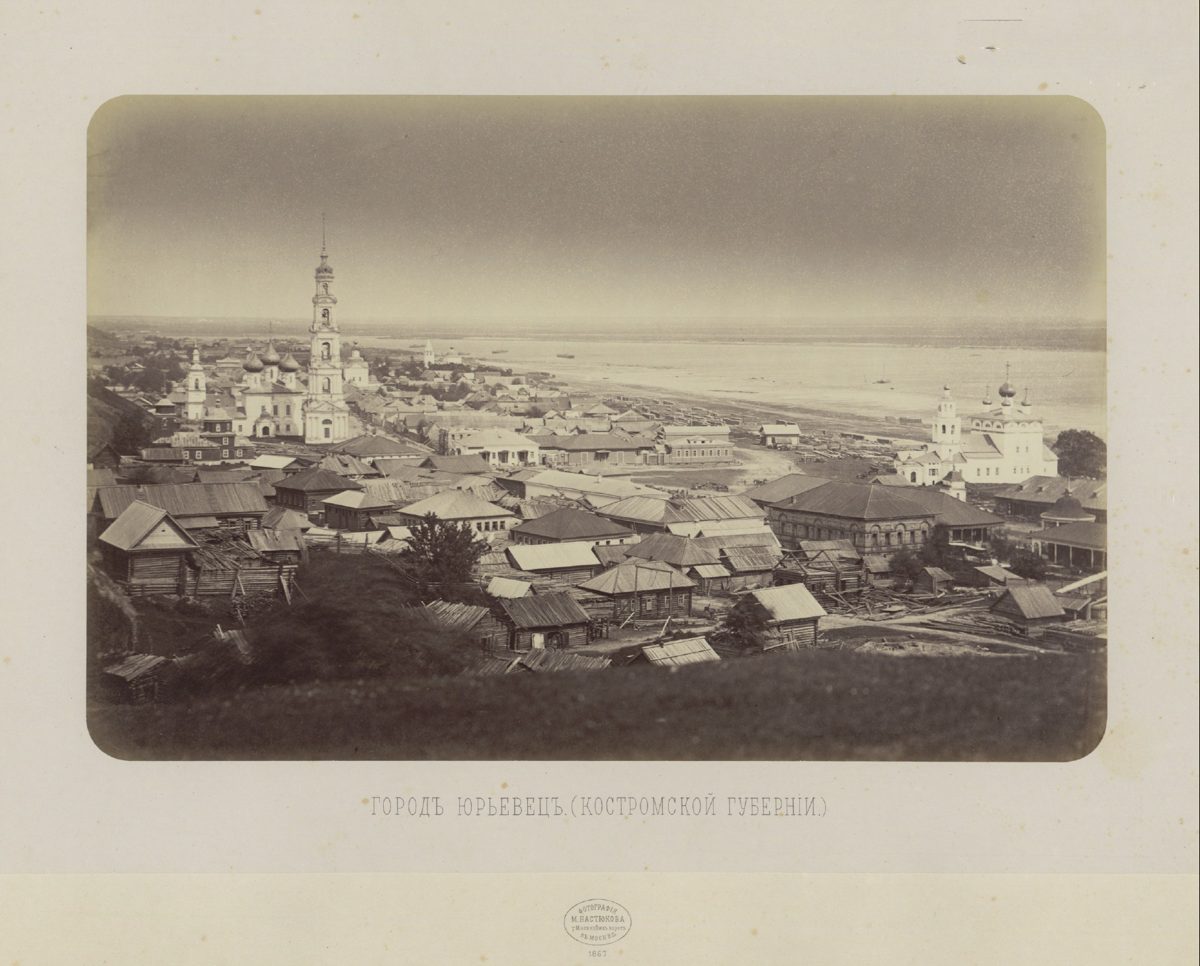
The Kolodins ran a clothing workshop and hired workers. The family was large, and all the children were sent to study in neighboring Yuryevets - everyone received an education. “They lived very amicably, helped each other all their lives,” writes Ekaterina Konstantinovna in her notes to the pedigree. Semyon lost his mind at the end of his life; Anna lived until the 1940s.
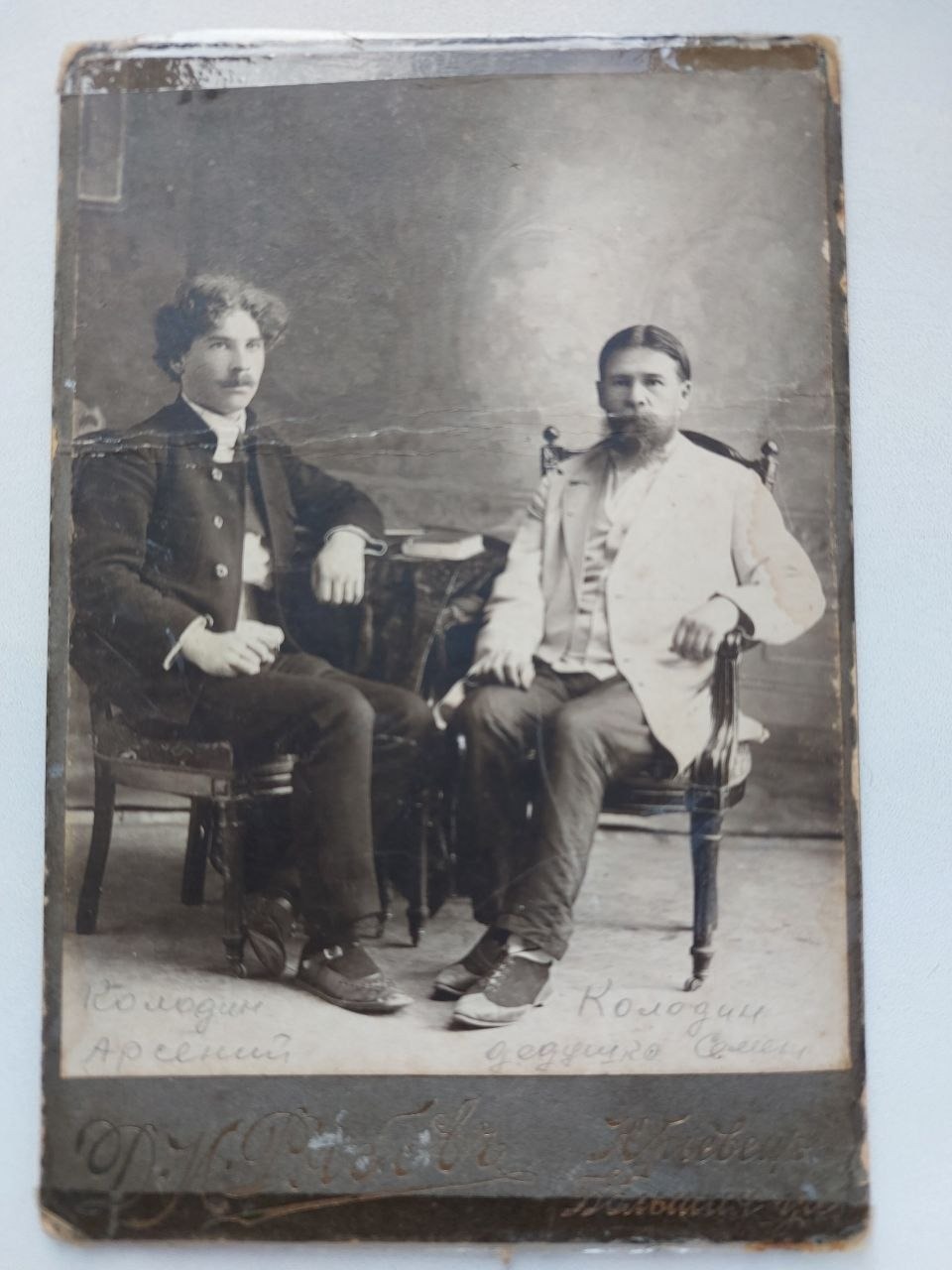
A cabinet photograph from those years has been preserved: Semyon - a strong bearded man in a light jacket - sits next to young Arseny, who is just starting to grow a mustache. The photo is hand-signed “Kolodin Arseniy” and “Kolodin grandfather Semyon” - which means it was signed by one of the grandchildren. They filmed it in Yuryevets’s photo studio: probably during the years when Arseny studied there.
Their children dispersed throughout the country:
- Arseny, the eldest son, became an active Soviet worker “in the city on the Volga” - judging by newspapers and diaries of that time, in Kineshma: in 1916 he worked in the Kineshma Union of Cooperatives, and in March 1917 he headed the union and the executive bureau of the city revolutionary committee. In the summer of 1916, at a meeting of cooperators in Kineshma, he was noticed by the Kostroma historian and economist Evgeniy Dubuk and wrote in his diary: “Of the cooperators, I liked Arseny Semyonovich Kolodin the most - a reckless curly man, very sweet, simple and serious. What’s captivating about him is his simplicity, efficiency, and openness.” “Kudryavich” is exactly the young man from the Yuryevets photograph. [archived diary] In 1937 he was arrested; he died in custody and was posthumously rehabilitated. His daughter Евгения lived in Tuapse, grandchildren - Stanislav in Yalta and Елена in Novorossiysk.
- Glafira (married Pozdnysheva) became a doctor, like her daughter Елена Михайловна; they lived in Central Asia and the Volga. Granddaughter Galina Stroganova teaches in Ivanovo.
- Maria married Vladimir Markovich Vladimirov. In Ivanovo, she was deputy dean of the pedagogical institute, he was deputy manager of the regional office of the State Bank. Their daughter Ariadne (Dina) graduated from Moscow State University and became a geologist - Sakhalin, Vorkuta, Bugulma, Leningrad. Son Artyom, journalist, went through the war and lived in Moscow. The Vladimirovs' house in Ivanovo became a support for the family: sister Sofia lived there, and Ekaterina Figurovskaya was later invited to study there.
- Fedor taught and was a school director in Moscow; his daughters Галина (Petrova) and Татьяна (Soldatenko) remained in Moscow with their children and grandchildren.
- Sofia ran the library. With my son Evgeniy Altunin she lived in Ivanovo with the Vladimirovs; Evgeniy remained in Ivanovo and worked at the research institute.
- Alexandra (1897) - Elena’s great-grandmother. More about her later.
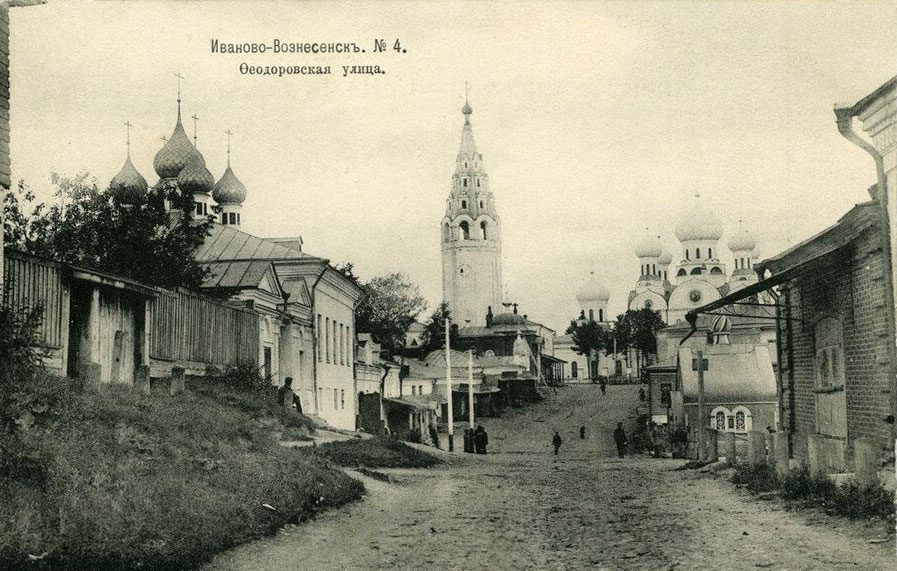
1895Melnikovs: from Chernyaevka to Lopasnya
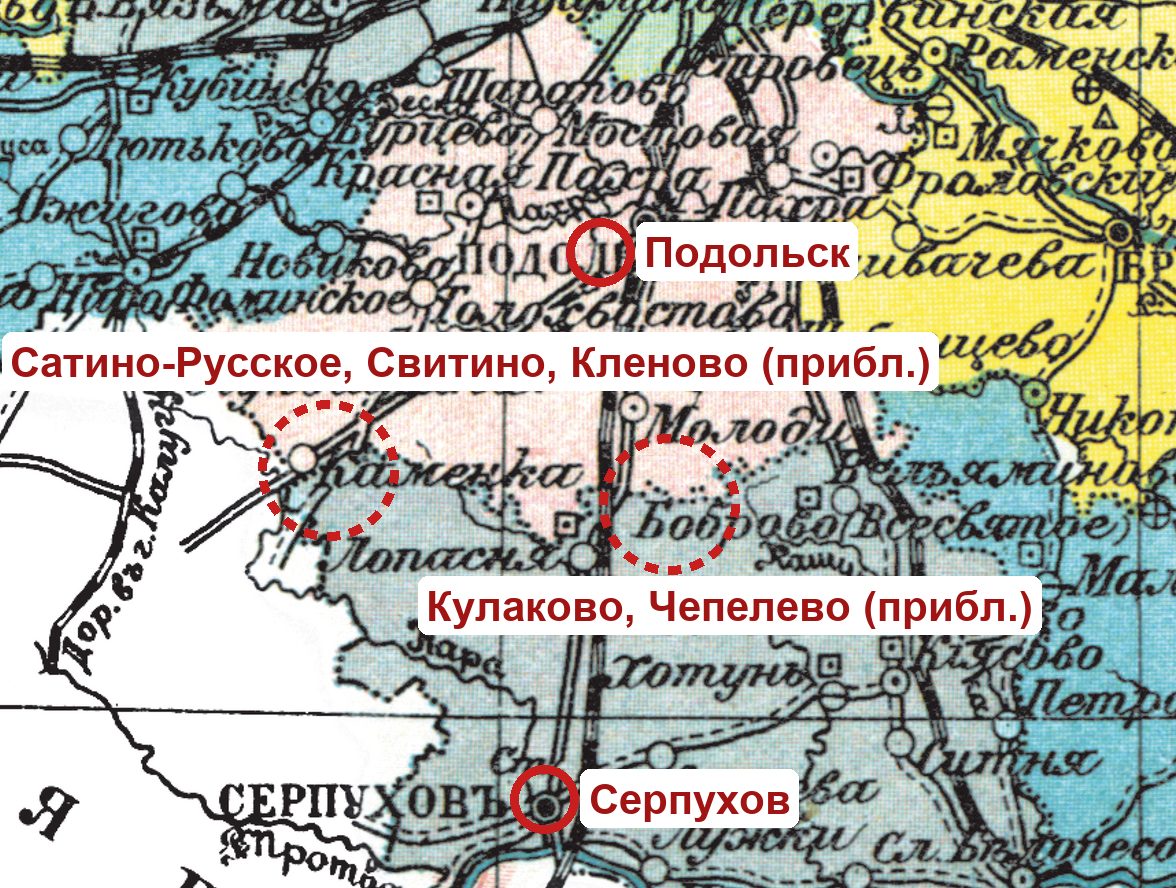
The earliest known Melnikovs are Igor's great-grandfather Иван Сергеевич (06/10/1895 – 01/10/1958) and his wife Прасковья Тимофеевна (21.10.1895 – 07.02.1968). The dates are known from the tombstone at the Satino-Russkoe cemetery near Podolsk. The family lived in the village of the Lopasnensky timber industry enterprise - near Lopasnya, present-day Chekhov.
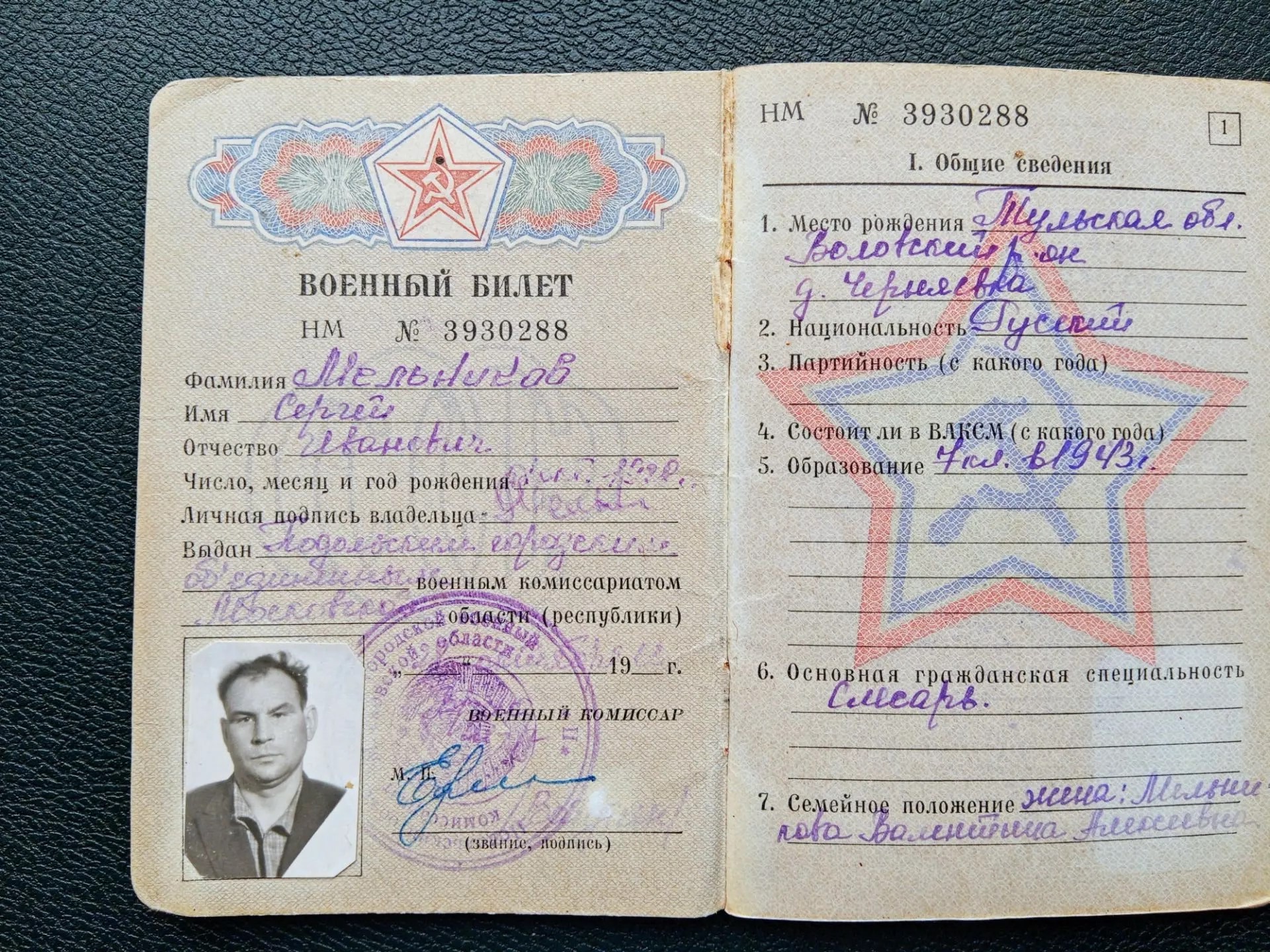
On the military ID Sergei Ivanovich Melnikov place of birth is recorded as Chernyaevka village, Volovsky district, Tula region. Parish Chernyaevka, to which Lidinka Bushinykh belonged, is now located in the Bogoroditsky district: the correspondence of this village with the entry in the military ID still needs to be verified. In the metric books of 1904–1918, the peasant of the “Chernyaevskaya volost, village of Chernyaevka” Nikifor Trofimovich Melnikov lives in Skurygin, and then in the village of Klenovo. His relationship with our Melnikovs and the general route of resettlement have not yet been established.
Probable birthplace of Praskovya - the village of Kresty, also Zinovevo and Ivanovskoye, now Kurkinsky district. In the metric of 1895, the birth of Paraskeva, the daughter of a peasant in the village of Zinoviev, is recorded on October 21 Timofey Sergeevich Sokolov and Tatiana Artemyevna. The date coincides with Praskovya’s tombstone, but the identification still requires confirmation. Timofey and Tatyana Domanova were married on October 2, 1894 in the Vvedenskaya Church in the village of Zinoviev (Crosses): this was confirmed by the title page of the book. The name Rozhdestveno in the FamilySearch catalog turned out to be erroneous. After Paraskeva, they had Peter (1897), Akilina (1900) and Vasily (1902); Vasily died in Moscow on June 6, 1902, five months old. Timofey was a “reserve private” and lived for years to earn money in Moscow: he is found in Moscow records of 1902–1909, and in the household census of Krestov of 1910–1912 he is recorded as the owner of yard No. 48, who works in Moscow all year round - his wife “is with her husband.” There are no children on this card, and where fifteen-year-old Paraskeva lived at that time is still unknown. Next door, in courtyard No. 49, lived Grigory Sergeevich Sokolov, probably Timofey’s brother. Between Kresty and the parish Chernyaevka there are about 51 km in a straight line; How Praskovya ended up in Chernyaevka and where she married Ivan Melnikov is still unknown: in the books of the Church of the Crosses for 1915 - May 1918 there is no mention of their marriage.
Ivan Sergeevich, apparently, fought in the First World War. Private 99th Ivangorod Infantry Regiment Ivan Sergeevich Melnikov from the Chernyaevsk volost of Bogoroditsky district was wounded in the fall of 1916, and in 1917 he was treated in convalescent teams in Tula and Belev. In the regimental list for November 1916, he was already recorded as married, which means that the wedding most likely took place no later than 1916 and, possibly, in Chernyaevka. Ivan and Praskovya had three sons: Sergey (1928), Иван and Anatoly (1935–1970), buried with his parents. Sources and history of the Crosses are collected in the “Places” section.
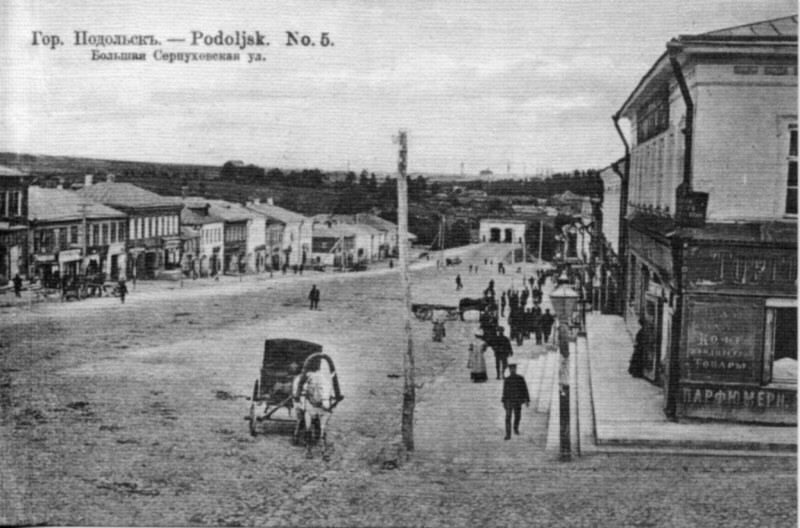
1896Figurovskys: family of a priest from Kostroma
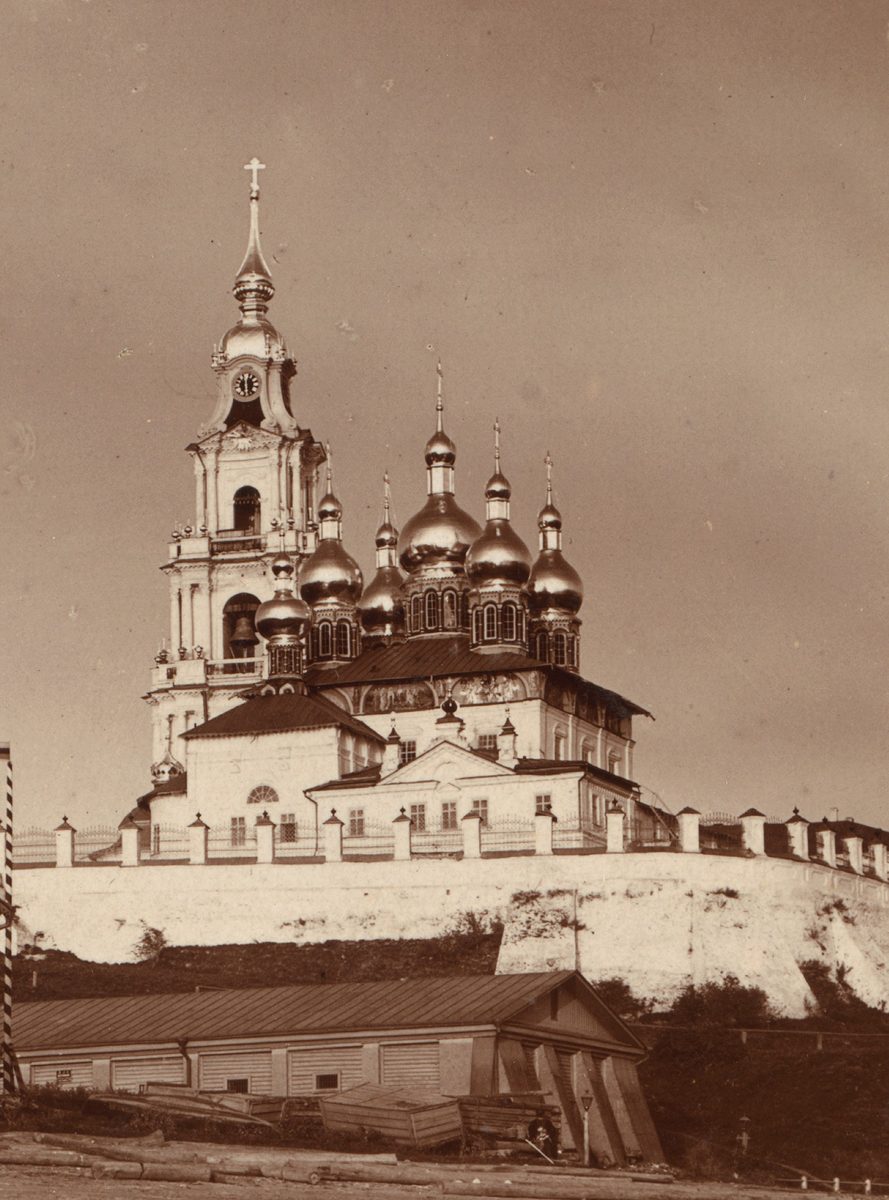
The surname Figurovsky is “seminar”, they gave them in theological schools. The family was hereditarily ecclesiastical: great-grandfather Иван and grandfather Иван Иванович (around 1832–1892) served as sextons in the village of Tatyanino near Kostroma. The sons of Ivan Ivanovich also followed the spiritual line: Михаил became a deacon in Chukhloma district, and Фёдор Иванович served as a deacon in Kostroma: in 1890 - in the Spasskaya Church beyond the Volga, in 1896, when Konstantin was born, - in the Holy Cross Cemetery Church (an extract has been preserved where he signed: “Deacon Theodore Figurovsky”); with my wife Ekaterina they raised a son and two daughters - Anna (married to Burov) and Maria; there was another son, Павел, seriously ill. Fyodor’s nephew, chemistry historian Nikolai Aleksandrovich Figurovsky, in his memoirs describes his uncle as a small, gray-haired man who kept fussing about moving to a new place - “he was very busy”; after the revolution he died in a fire. The memoirist met his cousin Konstantin, a “veterinarian,” in 1918–1919.
Son Константин Фёдорович born in February 1896 (20th - according to family memory, 28th - according to military records). The family remembered that he studied at the Kazan Seminary, but according to the alumni directory, Konstantin graduated from the Kostroma Theological Seminary in 1916, and by the end of 1918 he was already studying at the Kazan Veterinary Institute. After graduating, he served as assistant commander of the 14th Artillery Regiment in the veterinary unit (the regiment commander was Khlebnikov).
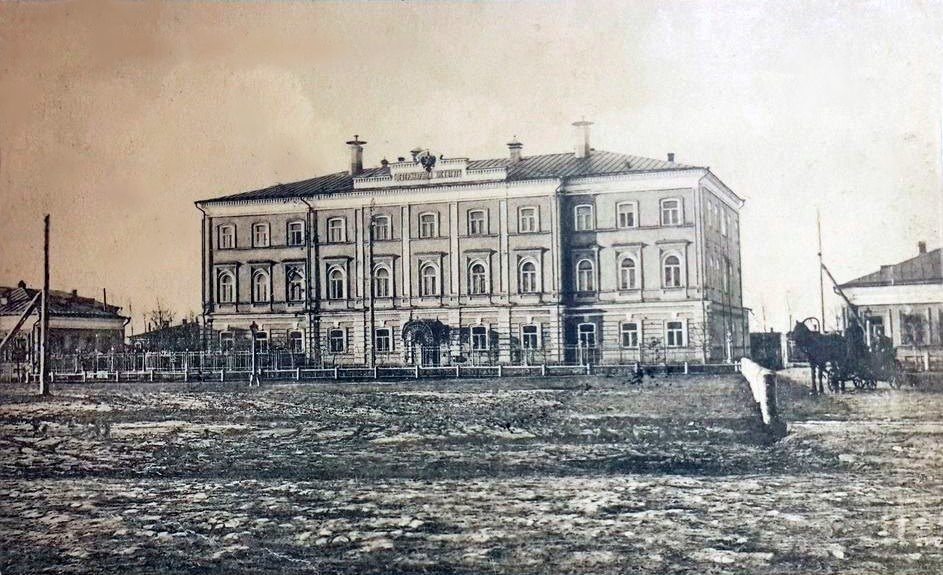
1898Kamyshanovs: Don, Grodno region, Novorossiysk
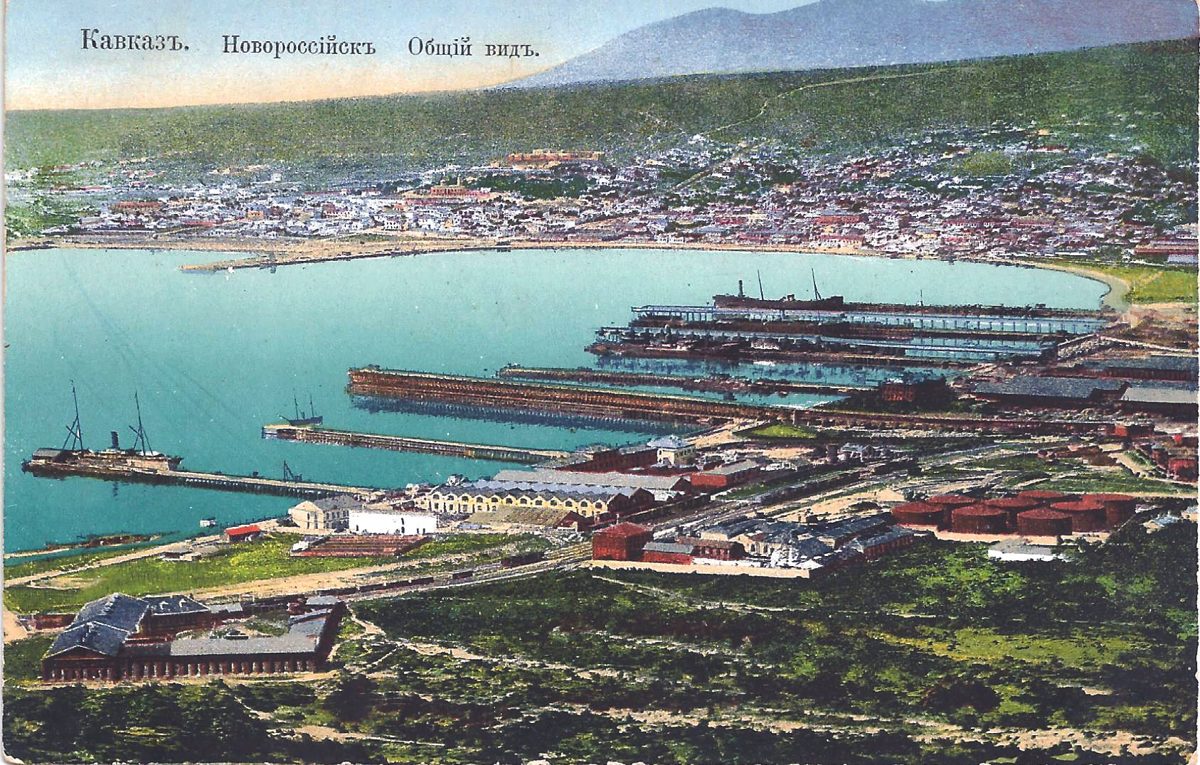
Stepan Ignatievich Kamyshanov (1898–1964) grew up on the Don. Анастасия Михайловна (1898–1982) - in a peasant family in Western Belarus, in the Grodno region. Both came to Novorossiysk and got married there. They raised four sons: the eldest Pavel (1925), Ivana, Leonida and Vladimir. Pavel, according to family notes, was born “in the family of a mechanic.”
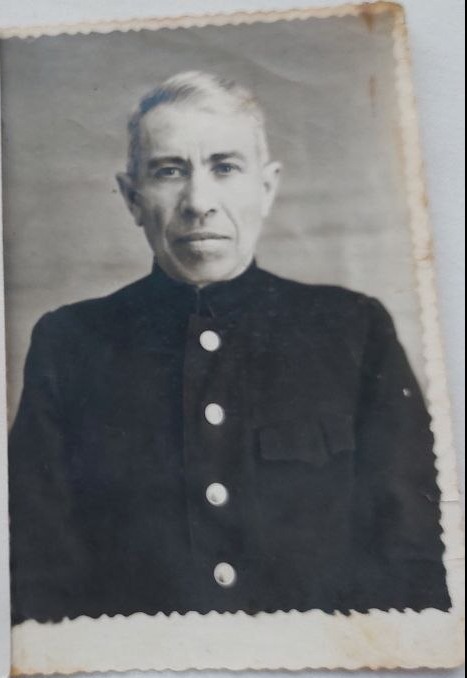
~1900Bushins and Fetisovs: Lidinka village
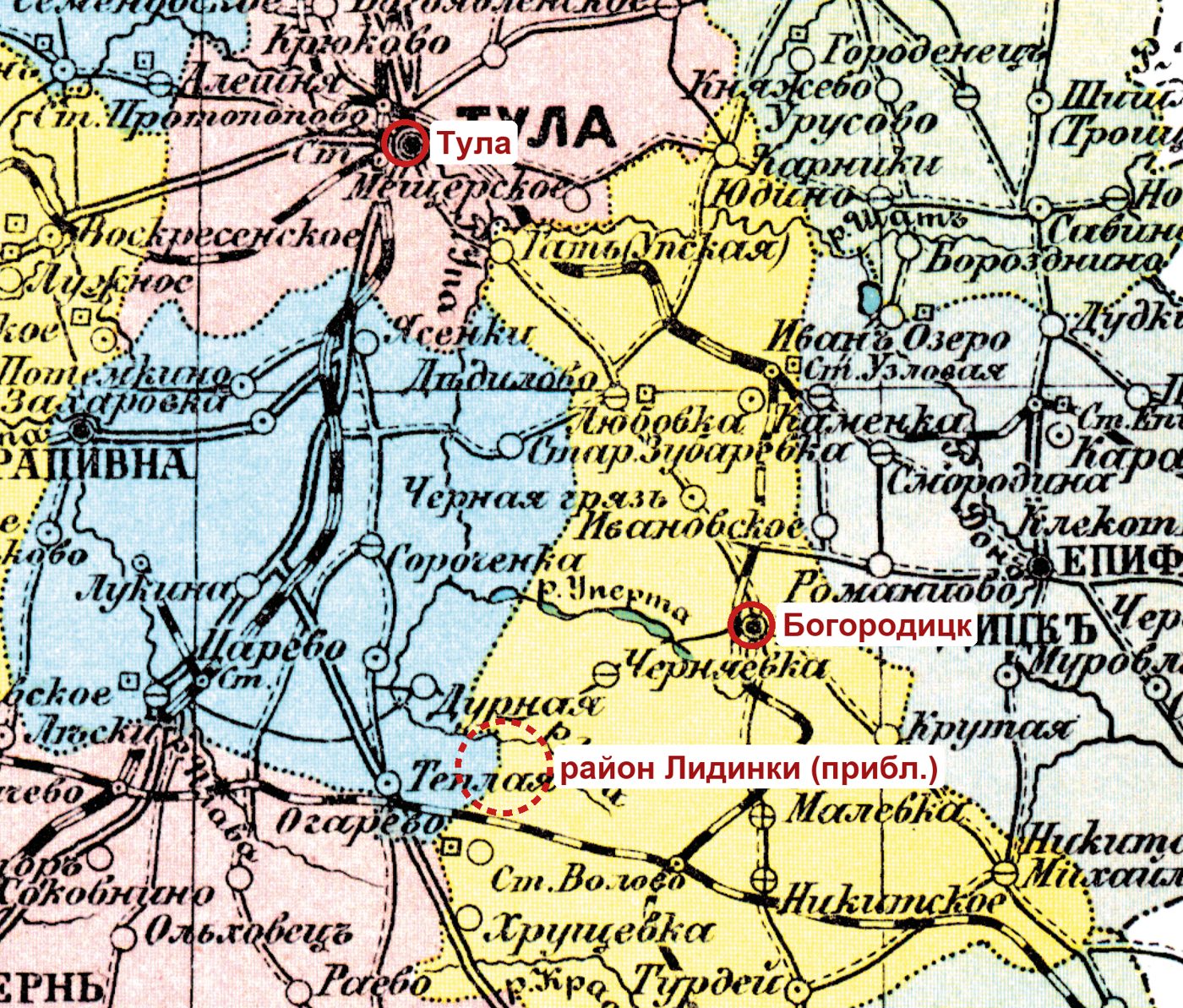
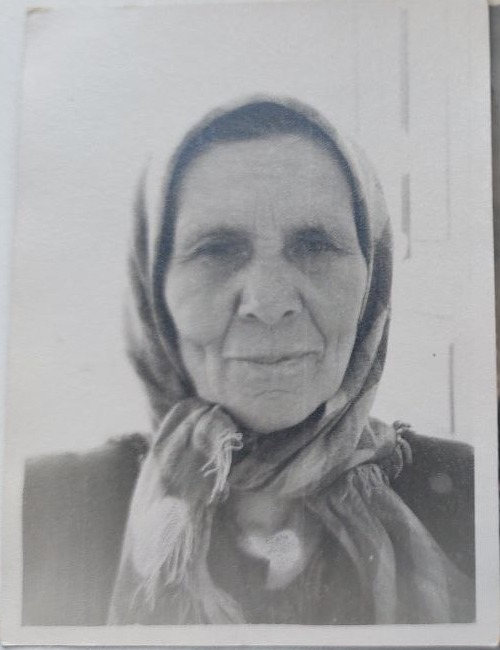
Igor's paternal branch through his grandmother goes to the Tula province. The village of Lidinka on the Mutnaya (Amutnaya) river is Bogoroditsky district, now Teplo-Ogarevsky district. In the directories for this village, both the Bushins and the Fitisovs are recorded among the residents - this is how the Fetisovs’ surname was written in old documents.
In the handwritten genealogy that my grandmother wrote down from memory Валентина Алексеевна, there are her paternal grandfather and grandmother Anna Bushina, aunts Praskovya ("Paranya") and Agrafena ("Pear"), uncle Игнат and Николай. On the mother's side - grandfather Prokhor Fetisov and grandmother, whom Valentina remembered as Praskovya; according to the metrics of the Chernyaevsky parish this is Evdokia Kondratievna, née Morozova: Prokhor Timofeevich, an eighteen-year-old guy, married her on June 13, 1888. They had many children, of whom Valentina remembered six: Fields, Anna, Alexandra (“Shura”), Fedor, Sergey and Павел.
In the household census of 1910–1912, yard No. 47 in Lidinka is recorded as Login Timofeev Bushin, 47 years old: with him is his wife, four sons, daughter-in-law, daughter and little granddaughter, two working horses and a cow. One of the sons, thirteen years old, was already working as a tailor in Moscow and sending money home - perhaps it was Alexey, although there are no names on the card. Loggin's eldest son Tikhon During World War I he served in the 134th Feodosia Regiment and was wounded twice - in 1915 and 1916.
Alexey Bushin (born around 1899) - son of a peasant Loggin Timofeevich Bushin and Anna Afanasyevna, who were married in 1882 in the same Chernyaevsky parish: they had a daughter, Paraskeva (“Paranya,” 1890) and a son, Ignatius (“Ignat,” 1906), and Alexei’s illegible patronymic in the 1926 extract begins with “L.” This was finally confirmed by the military documents of his brother: “Bushin Ignat Logginovich, 1906, native of the village of Lidino” before the war lived in the village of Ivachkovo in the Lopasnensky district and was drafted by the Lopasnensky military registration and enlistment office - the Bushins moved to Lopasnya with the whole family. Alexey married Alexandra Prokhorovna Fetisova. They were born Peter (1922), Maria and Валентина - her birth was recorded in the Lidinki village council on April 30, 1926.
1913Calugaryan and Pleshu: Capaklia
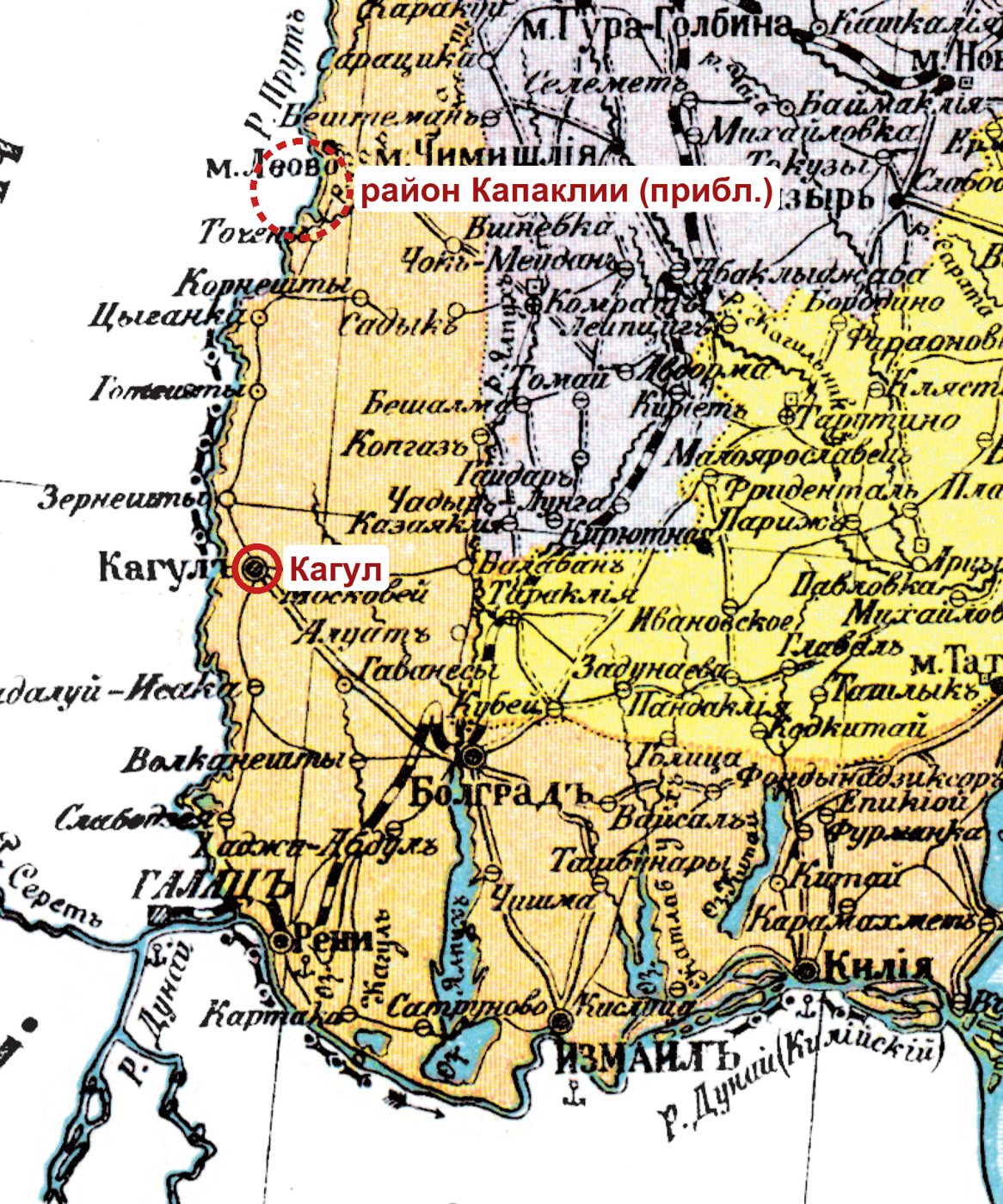
Igor’s maternal branch is from the village of Kapaklia in the south of Bessarabia (then Izmail district, later Cahul county in Romania, then the Moldavian SSR). Born here on October 1, 1913 Grigory Georgievich Calugarianu, son George. Born here on February 8, 1921 Maria Pleshu, daughter Ivana and Ekaterina Pleshu. In the documents, the surname is written as Pleș; in the family it was pronounced “Pleshu”.
Gregory, according to his daughter Ekaterina Grigorievna, had brothers Павел, Степан and Георгий; Georgy has gone missing. Maria has brothers Николай, Иван, Владимир and sister Елена. Gregory and Maria lived in Kapaklia all their lives.
Part two. Age of change
1917–1938Twenties and Thirties
Typhoid and Alexandra's first family. Alexandra Kolodina She graduated from high school and taught in Yuryevets district. She married a nobleman Boris Zamolomsky; in 1920, their son was born in Puchezh Юрий. During the typhus epidemic, Boris died. Alexandra survived, but became deaf in one ear and could no longer work at school. The surname Zamolomsky itself is very rare: in the Moscow metric books of the 19th - early 20th centuries one such family is found - the priest Pyotr Nikolaevich Zamolomsky (1851) and the pharmacist Vladimir Alexandrovich, who served as a personal nobility. Perhaps the “nobleman” Boris is from this family, but the connection has not yet been proven.
Second marriage. Alexandra married a military veterinarian Konstantin Figurovsky, and he adopted Yura - so the boy became Yuri Konstantinovich Figurovsky. In 1926, Konstantin’s regiment was stationed in Ostrogozhsk, Voronezh province, and on September 25 a daughter was born there Екатерина - Elena's grandmother. The family moved around for service: in ten years, Catherine changed six schools.
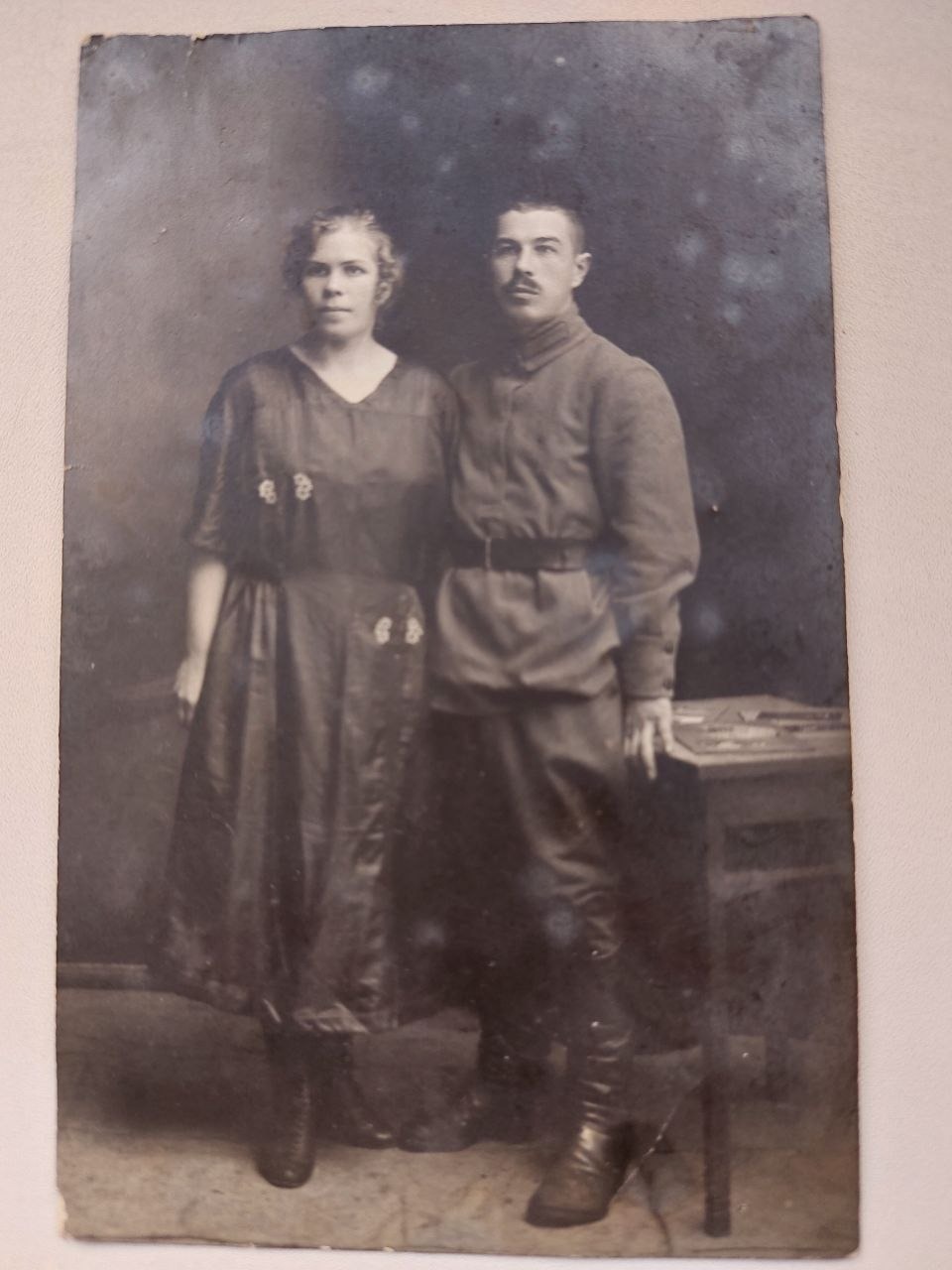
1926 in Lidinka. In the same 1926, on April 29 (according to the tombstone - April 6), she was born in Tula Lidinka Valentina Bushina. Two years later, on October 1, 1928, nearby, in the village of Chernyaevka, he was born Sergei Ivanovich Melnikov - her future husband. By the end of the 1930s, the Bushins moved to the Moscow region: before the war Peter Bushin lived near the Lopasnya station and was drafted from Podolsk.
1937. A terrible year hit the Kolodins twice. Arsenia Kolodina was arrested and he died in custody. Konstantin Figurovsky, demobilized in 1935 and working as a veterinarian in Suzdal and Rybinsk, was arrested under Article 58 as an “enemy of the people.” He served a year. Yura, the adopted son of an “enemy of the people,” was expelled from the military flight school; Alexandra Semyonovna went to work in the accounting department. After Konstantin’s release, Yura was reinstated, and the family moved to Arkhangelsk: there Konstantin Fedorovich found a new job.
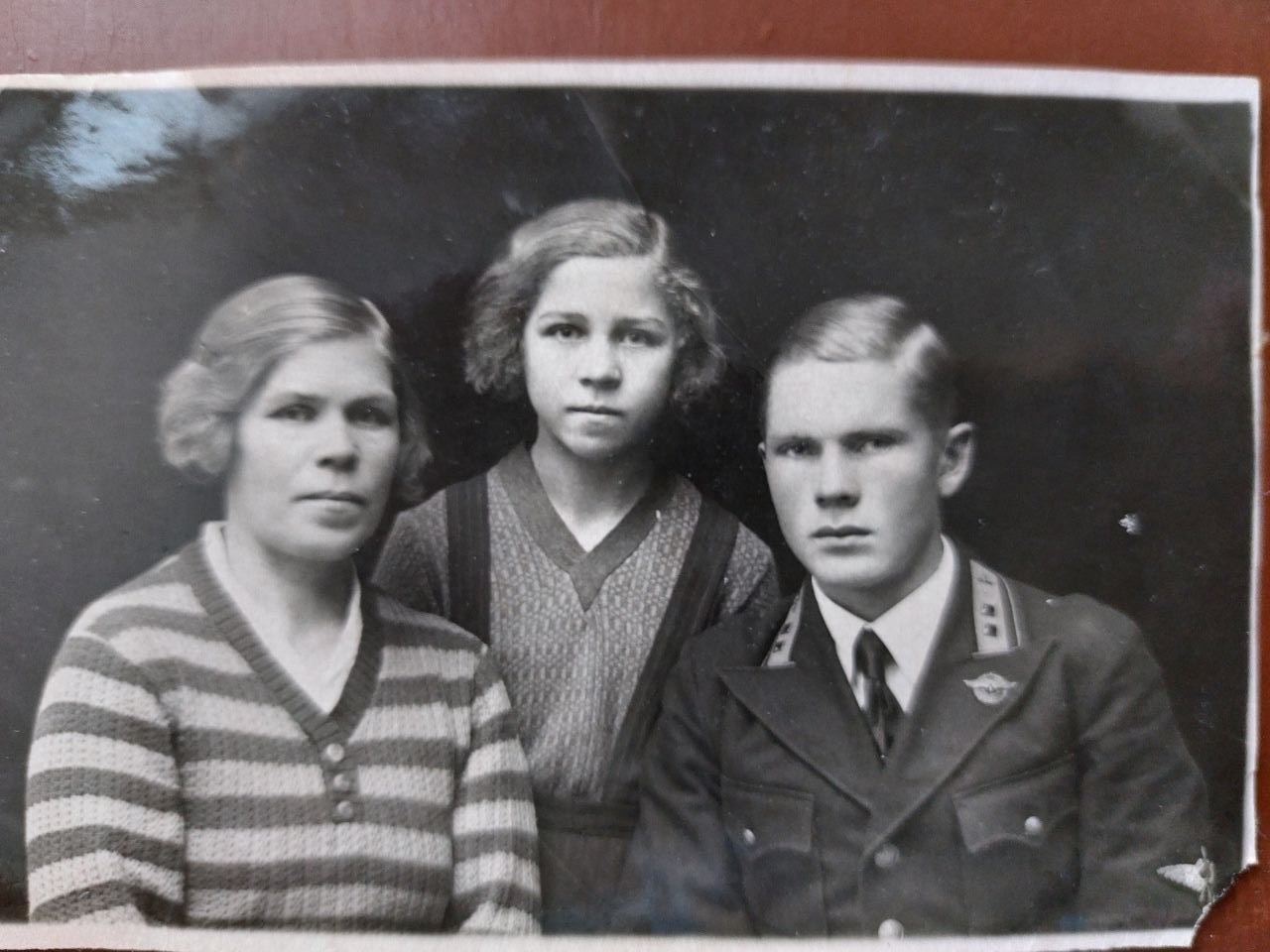
1938, Kapaklia. On June 5, 1938, they got married in the parish church of Kapaklia Grigory Calugareanu and seventeen year old Maria Pleshu.
1941–1945War
Konstantin and Alexandra. By the beginning of the war, the Figurovskys lived in Arkhangelsk. June 23, 1941 Константин Фёдорович went to the front as a military veterinarian of the 2nd rank, head of the veterinary service of the rifle brigade of the 54th Army of the Leningrad Front. In the winter of 1941–1942, a terrible famine began in Arkhangelsk, and Александра Семёновна Katya and I left the apartment with everything in it and went to Vyatskie Polyany to live with Yura’s family. From here the memory of “Vyatka” remained in the family.
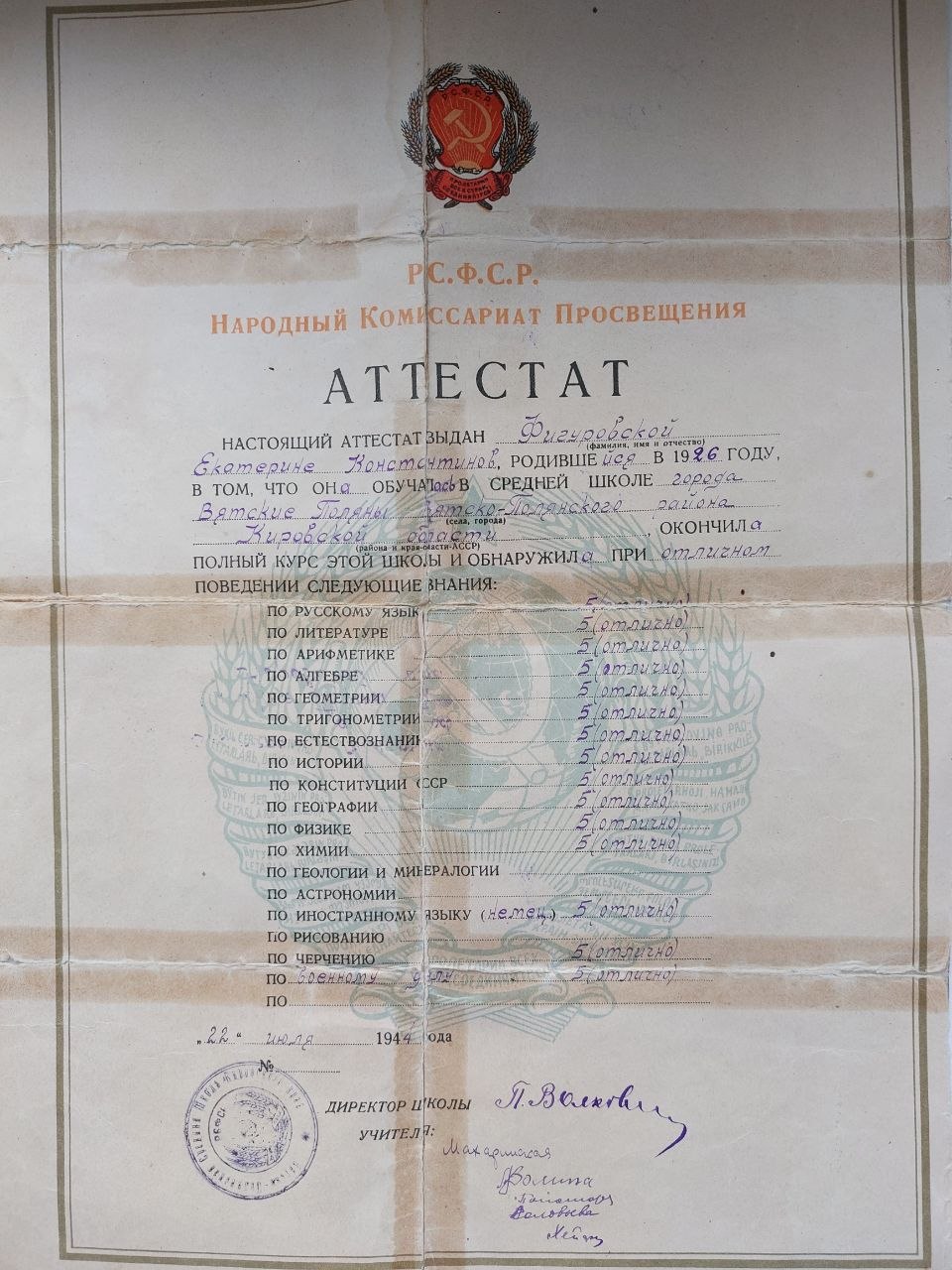
Graduate of 1944. During the evacuation, Katya graduated from high school in Vyatskie Polyany. On July 22, 1944, she was given a certificate with “excellent” marks in all subjects, including German and military science.
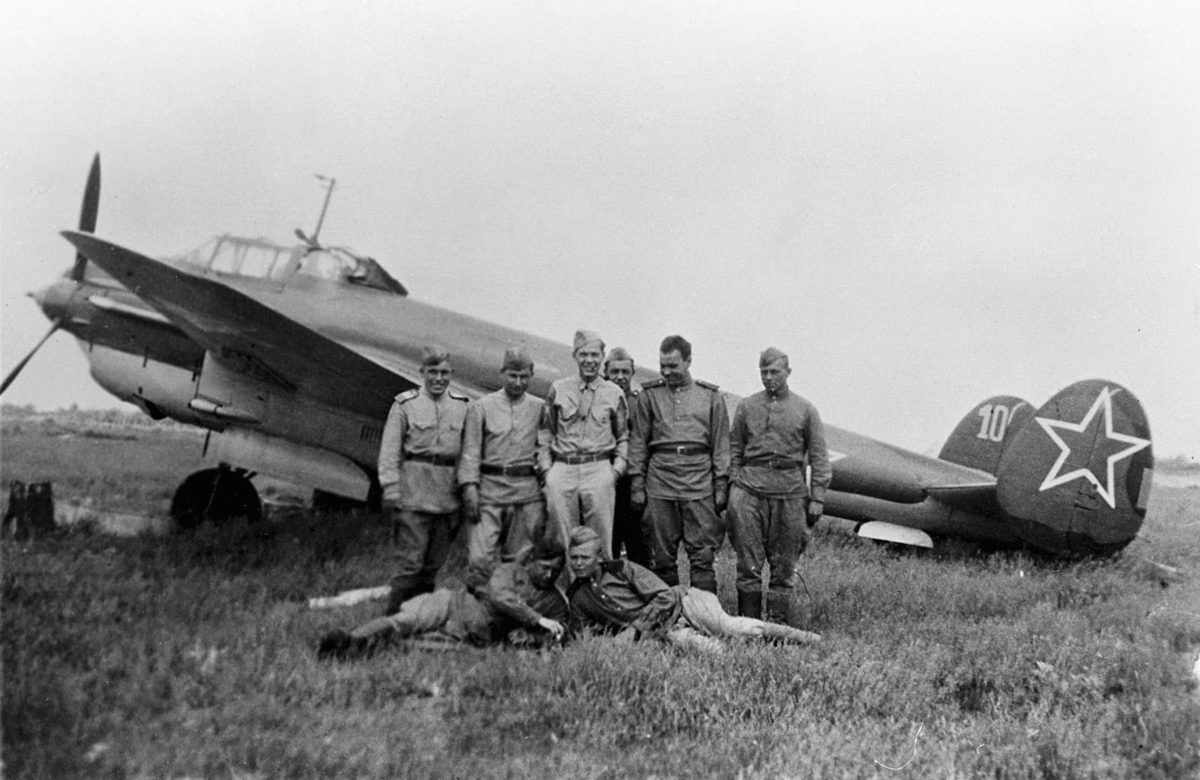
Bushins and Fetisovs. Peter Bushin, Valentina's brother, was drafted on June 10, 1941. He fought on the Leningrad Front - in the naval rifle brigade, then in the 201st Rifle Division - was wounded in January 1943, rose to the rank of sergeant and received two Orders of the Red Star and two medals “For Courage”. His uncle Sergei Prokhorovich Fetisov (1907), drafted by the Serpukhov military registration and enlistment office, died or went missing in December 1941. Another uncle Фёдор Прохорович (1909), a private in an artillery regiment, was captured on August 29, 1941 and died on December 1, 1942 in a Finnish prisoner of war camp in Kemi, in northern Finland.
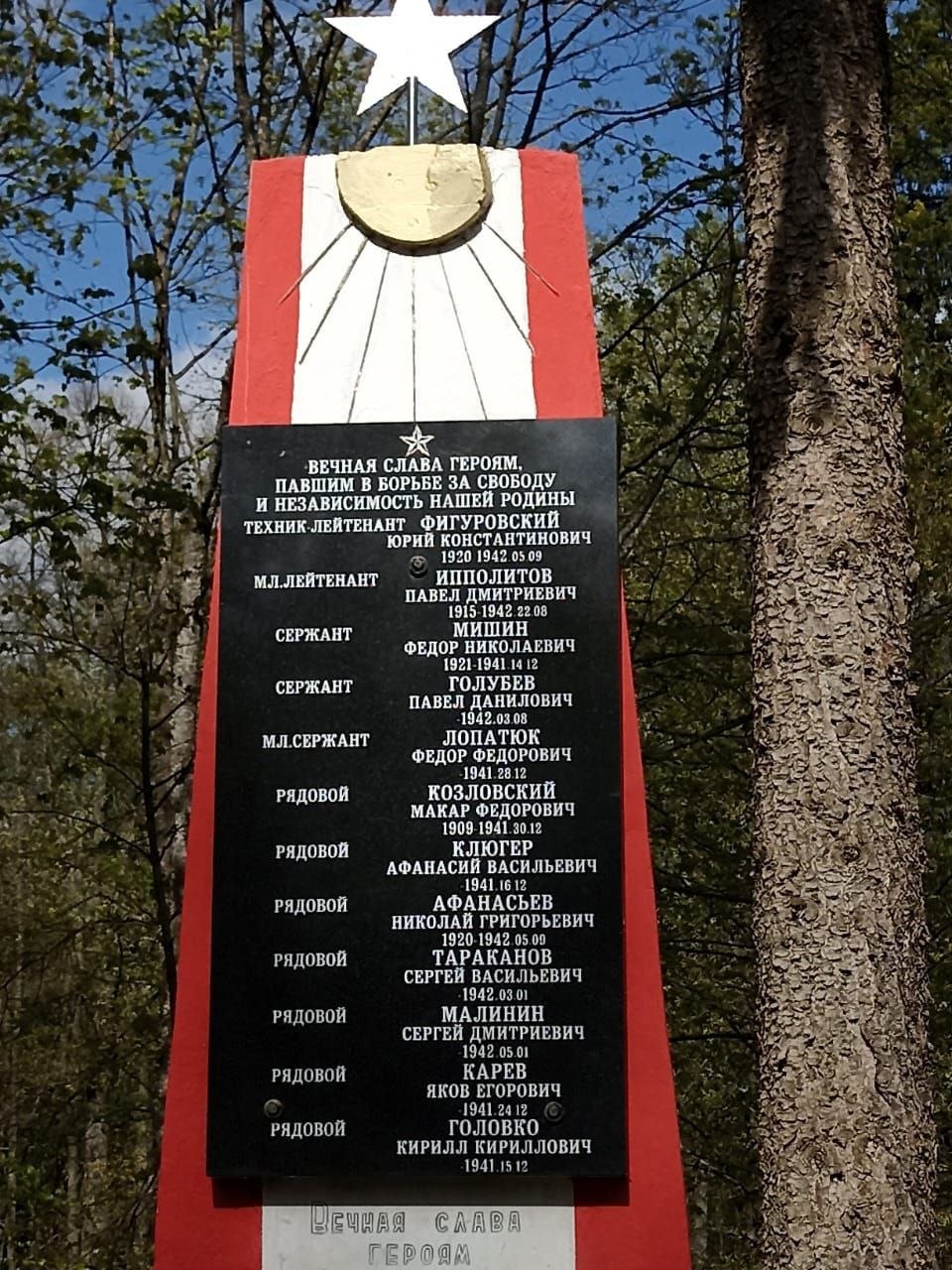
Yuri. After graduating from college, Yuri Figurovsky served in Staraya Russa and there married Tamara Ivanovna. In 1941 their daughter was born Irina. Lieutenant technician, instrument mechanic of the 2nd Bomber Aviation Regiment, he died on September 5, 1942 during a raid on an airfield near Moscow. Yuri was buried in a mass grave in the park of the Herzen sanatorium along with seventeen colleagues. On the obelisk above the grave his name is first: “Technician-Lieutenant Yuri Konstantinovich Figurovsky, 1920 - 1942.” At that time, my wife and daughter were evacuating in Vyatskiye Polyany.
Kamyshanovs. Novorossiysk found itself in the occupation zone. The Germans took them to Ukraine and Anastasia Mikhailovna with sons, and Stepan Ignatievich. Павел, who managed to finish nine classes before the war, after the liberation of Ukraine he was drafted there, in the south of Ukraine. He fought in the 79th Tank Brigade of the 19th Tank Corps, liberated Crimea and the Baltic states; awarded the Order of Glory, III degree. On November 28, 1943, Red Army soldier of the 14th Guards Mechanized Brigade Pavel Kamyshanov received a through-and-through bullet wound to the chest on the left. The wound was light: the bullet went right through without hitting the internal organs. From the hospital in Tokmak he was transferred to evacuation hospital No. 3108, on February 13, 1944 he was discharged fit for combat and returned to the front. The certificate also contains the mother’s address: the village of Staraya Mayachka, Tsyurupinsky district, where the Germans took the Kamyshanovs. Stepan Ignatievich also fought. Anastasia Mikhailovna and her younger sons returned home.
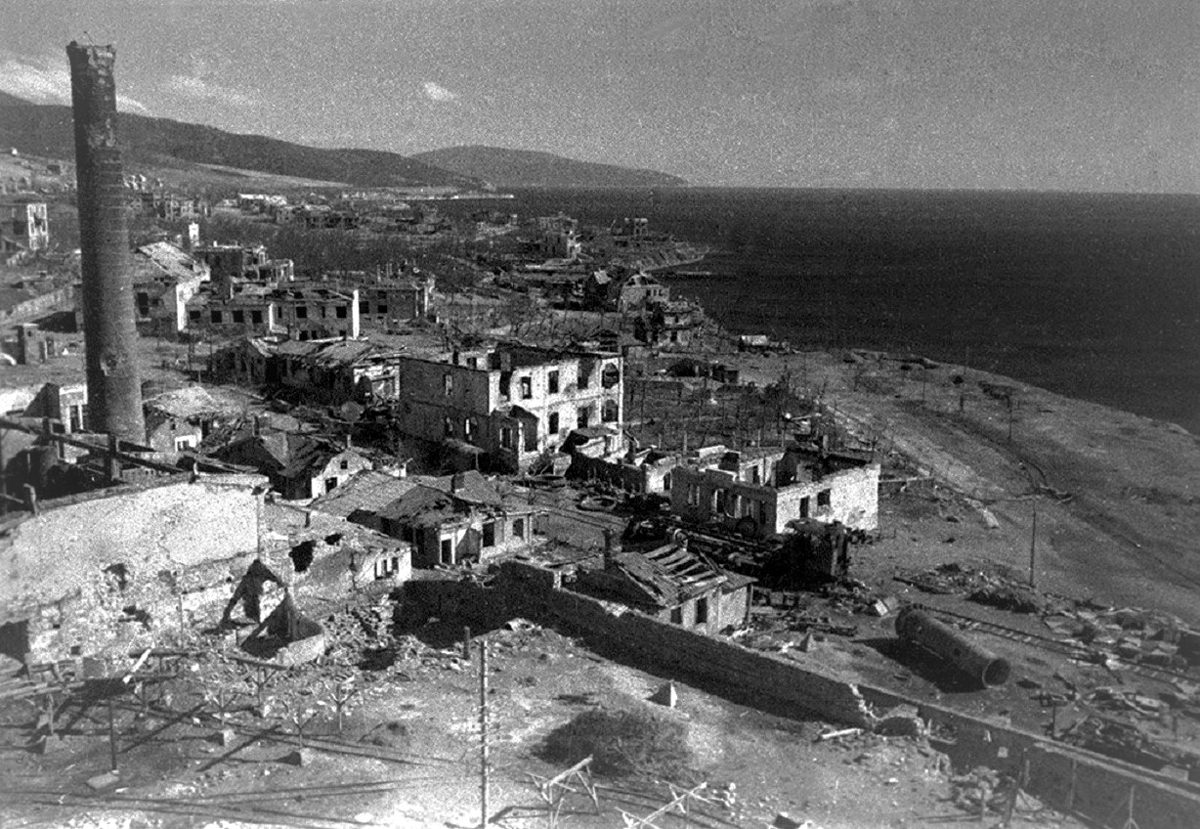
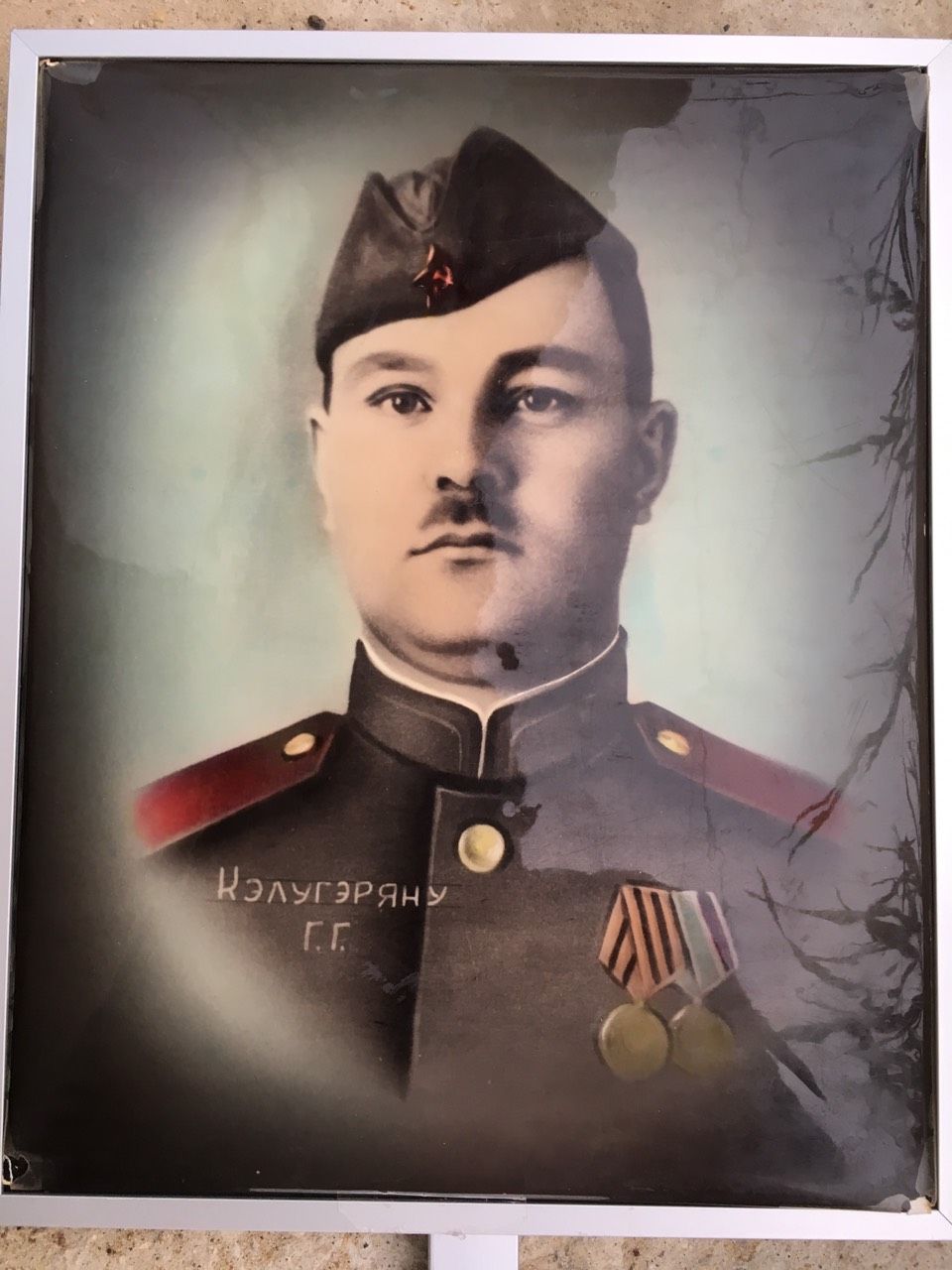
Grigory Calugareanu. In September 1944, when the front passed through Bessarabia, Gregory called up. He fought as a machine gunner in the 74th Guards Rifle Division from January 1945, was seriously wounded on February 4, 1945, and received the medal “For Courage” for the battles for Berlin. On the award sheet, the wife’s home address is “Maria Ivanovna Kalugaryan.”
1946–1990After the war
Lopasnya and Kulakovo. Sergey Melnikov and Valentina Bushina got married (according to family tradition, in Kurilov). On July 1, 1949, their son was born in the village of Kulakovo, Lopasnensky district. Валерий - Igor's father. The lists of Soviet specialists at the Vismuth enterprise in Germany for 1950–1952 include senior accountant Valentina Alekseevna Melnikova, born in 1926 - perhaps this is her, but there is no confirmation yet. The Bushins also had a sister in their family Maria, who married a Bulgarian Alexandra Stoykova. Their daughter Lyudmila - "Mil" — Sergei Ivanovich and Valentina Alekseevna loved her like their own daughter. Igor’s father recalls how once in Podolsk Aunt Marusya gave Milya a painful spanking for some mischief, and Sergei Ivanovich hit her in his anger. Since then, Aunt Marusya never came to visit them.
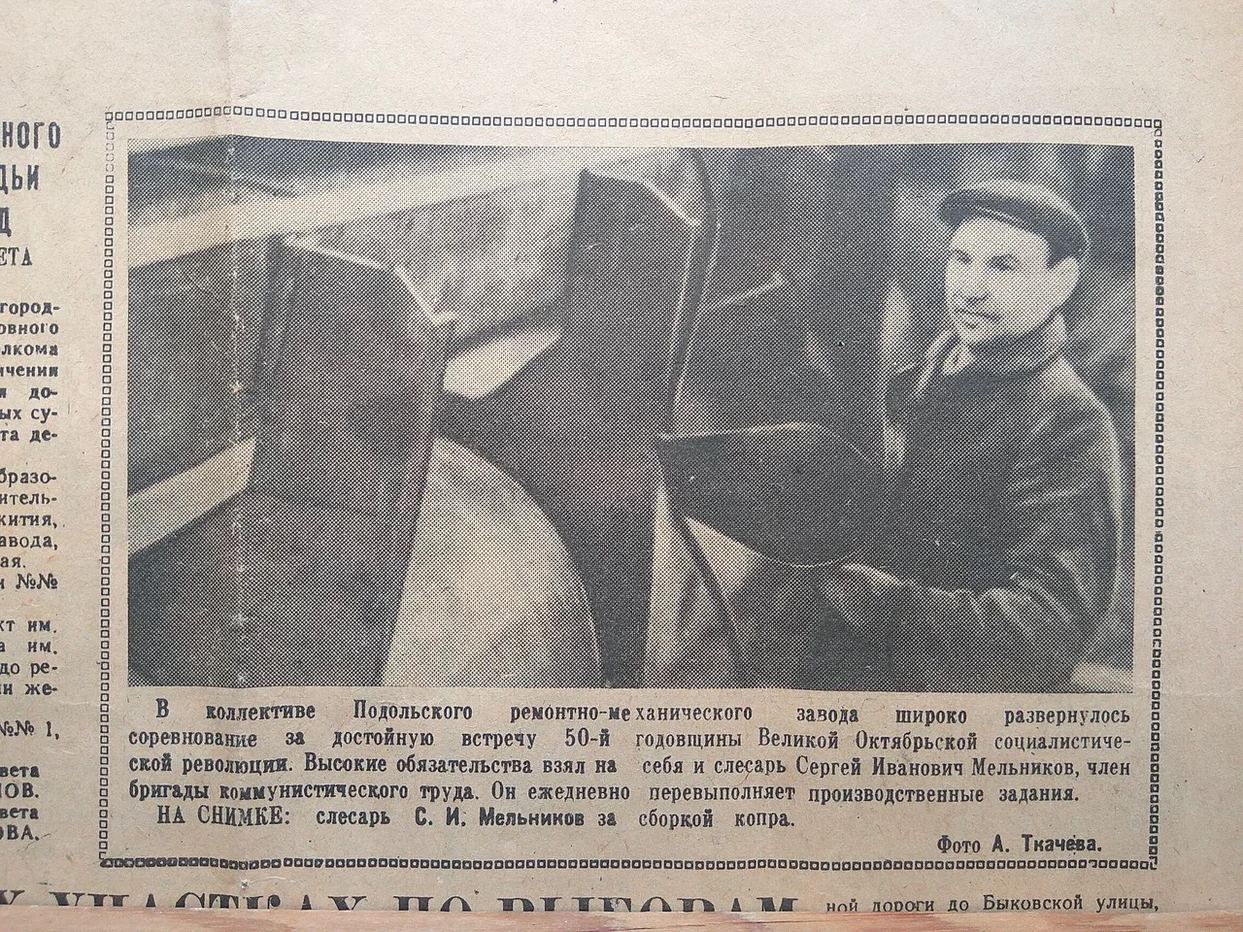
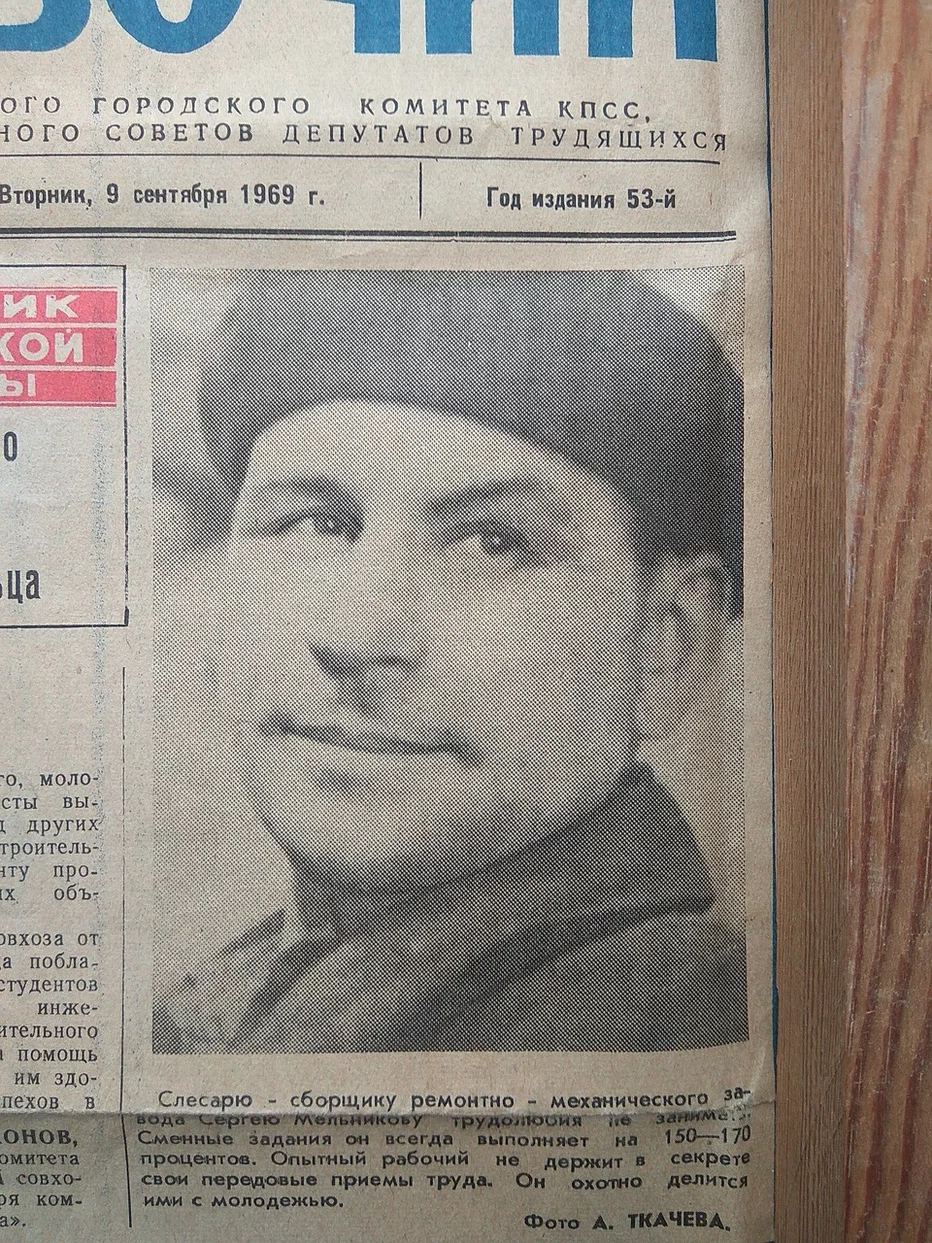
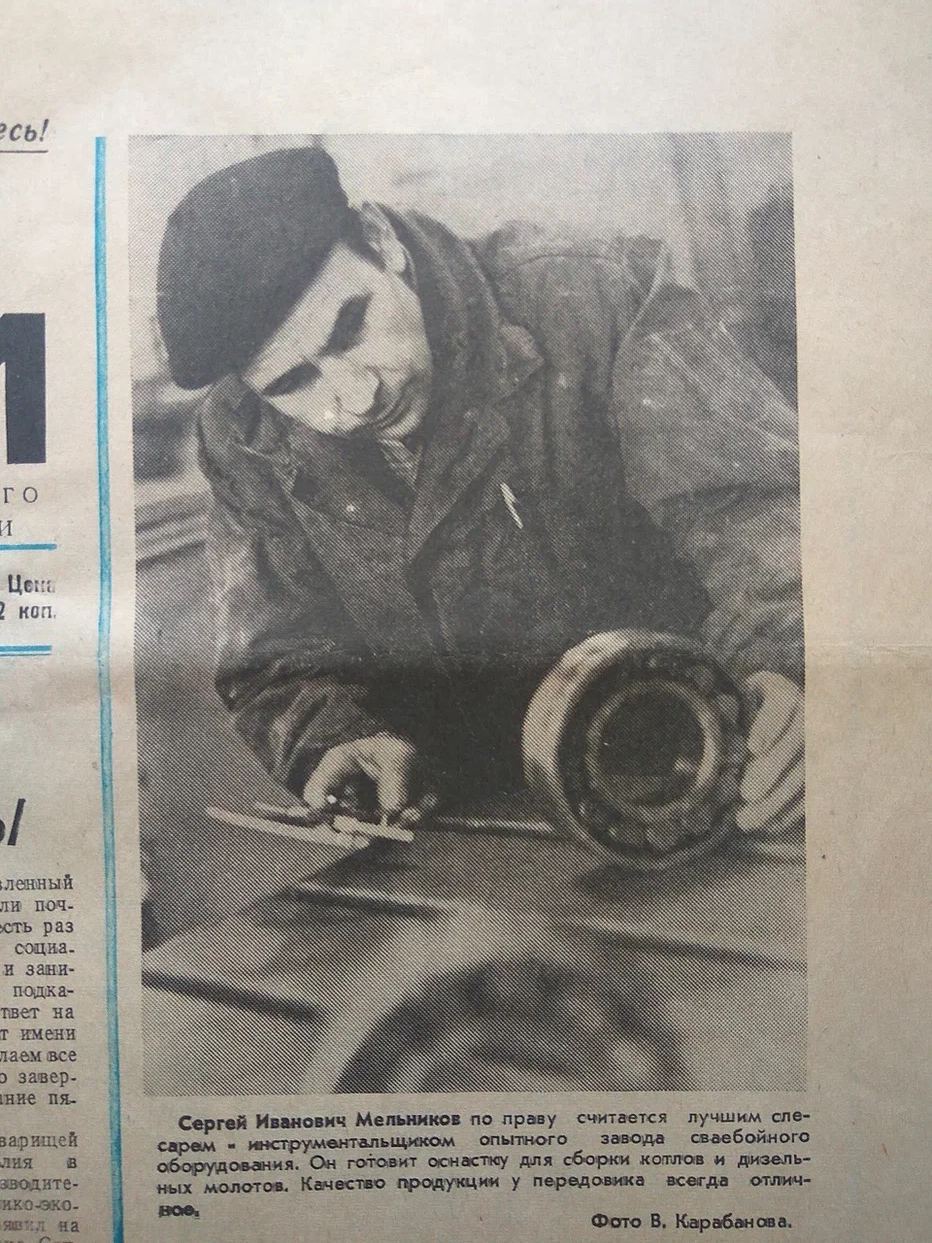
At the factory. Sergei Ivanovich worked as a mechanic all his life. The local newspaper (most likely, “Podolsky Rabochiy”) wrote about him more than once. Circa 1967: “fitter Sergei Ivanovich Melnikov, member of the communist labor brigade” of the Podolsk Mechanical Repair Plant assembles pile drivers for the 50th anniversary of the October Revolution. September 9, 1969: “Fitter-assembler... Sergei Melnikov is not short of hard work. He always completes shift assignments 150–170 percent... willingly shares [techniques] with young people.” In another note, he is called the best toolmaker at the pilot plant of pile-driving equipment: he prepared equipment for pile drivers and diesel hammers.
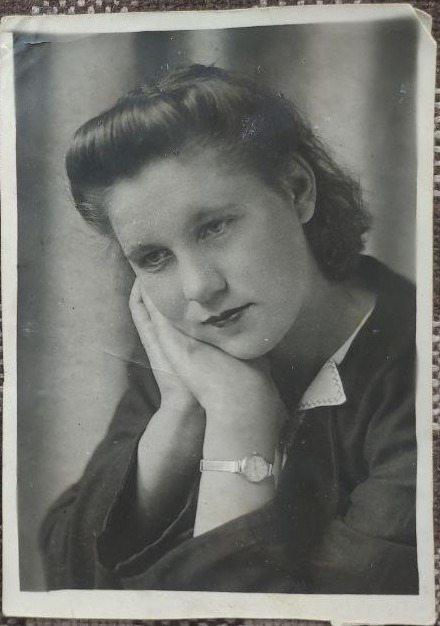
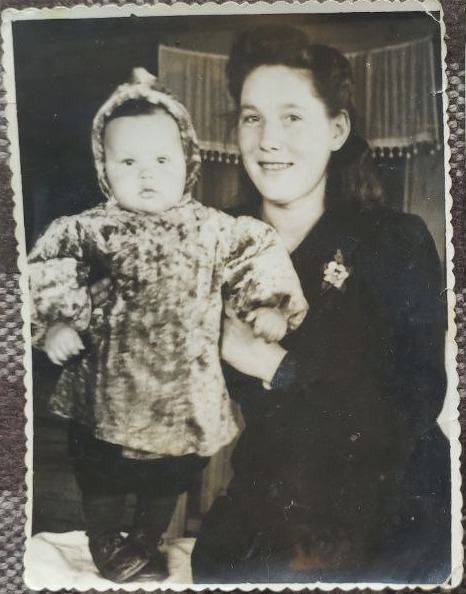
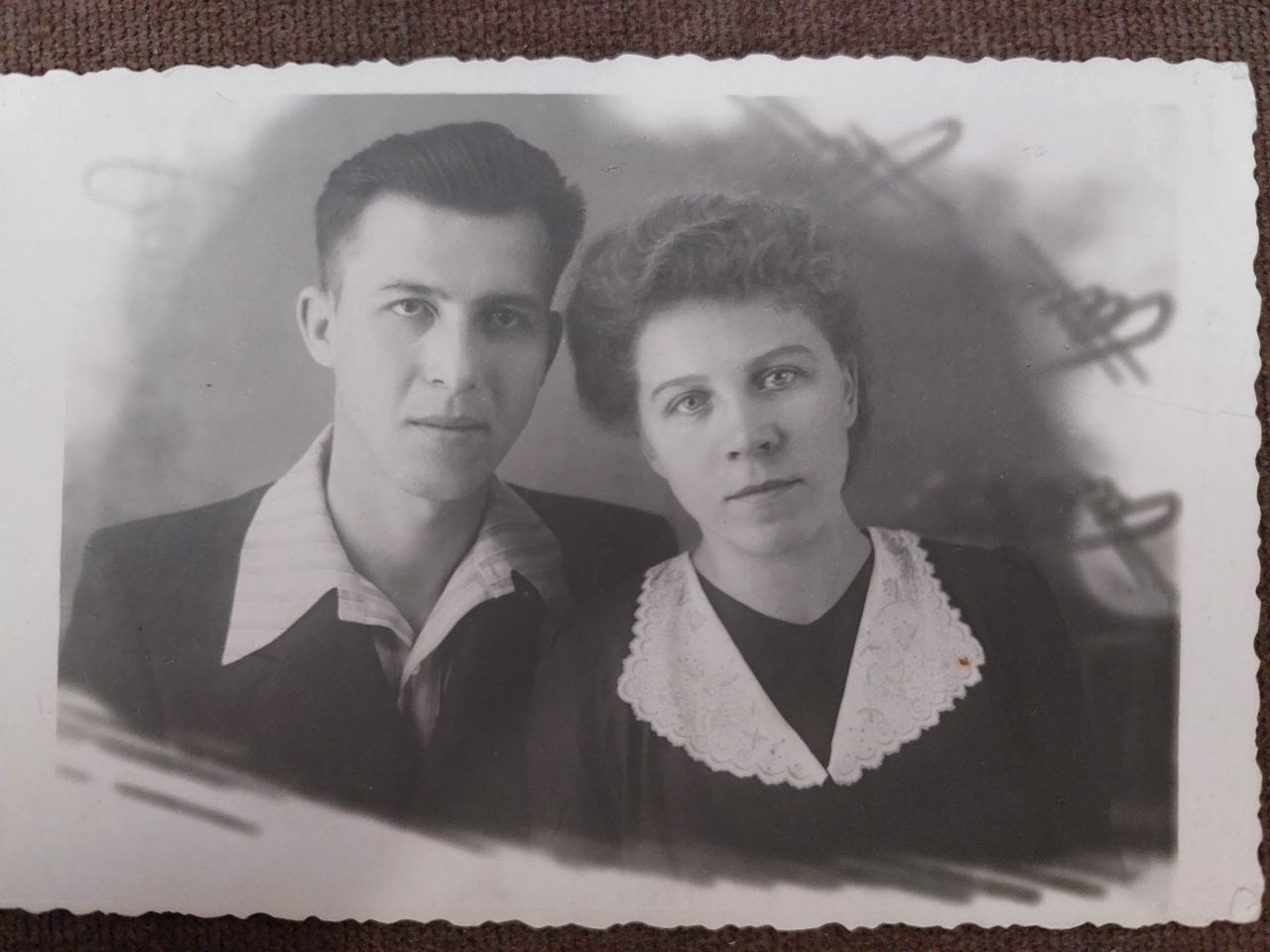
Novorossiysk. Pavel Kamyshanov served in the army for another five years and returned to Novorossiysk. Father, Степан Игнатьевич, after the war he offended his mother; Pavel came to her defense, and her father went to the Don - to the city of Morozovsk, Rostov region. There Stepan Ignatievich died on October 1, 1964 from a heart attack, 66 years old. Meanwhile Ekaterina Figurovskaya at the invitation of my aunt Maria Semyonovna Vladimirova Graduated from the Ivanovo Energy Institute and received a referral to the “big power industry” of Novorossiysk. In 1951, Pavel and Ekaterina got married. Ekaterina Konstantinovna, like her daughter Galina and her niece Irina later, did not change their last name during marriage - and remained Figurovskaya. Pavel graduated from an industrial technical school and the Moscow Polytechnic Institute in absentia and also worked in the energy sector. They were born Юрий (1952) and Галина (1956).
The fate of the Figurovskys. After demobilization Константин Фёдорович My wife and I moved to Rauta (now the village of Sosnovo) near Leningrad. Life there did not work out: drunken scandals became the norm, the case reached a criminal court and a new sentence. Alexandra Semyonovna Relatives took her in, and when her daughter graduated from college, she moved with her to Novorossiysk, where she lived until 1985. This second term is confirmed by documents: on May 10, 1952, in the village of Sudislavl, Kostroma Region, Konstantin Fedorovich was arrested and sentenced under Article 58 (“anti-Soviet agitation”) to 25 years in the camps; in 1955 the term was reduced to six years, and in 1992 he was posthumously rehabilitated. After his imprisonment, Konstantin Fedorovich lived in a boarding house in Kovrov; he died in 1981.
Kapaklia. U Gregory and Maria ten children grew up: Иван, Владимир, Тамара, Степан, Михаил, Александр, Наталья, Екатерина (1953) - Igor’s mother, Georgy (“Uncle Grisha”) and Love. From them came dozens of cousins.
Losses. Died in 1958 Ivan Sergeevich Melnikov, in 1968 - Прасковья Тимофеевна, in 1970 - their youngest son Anatoly.
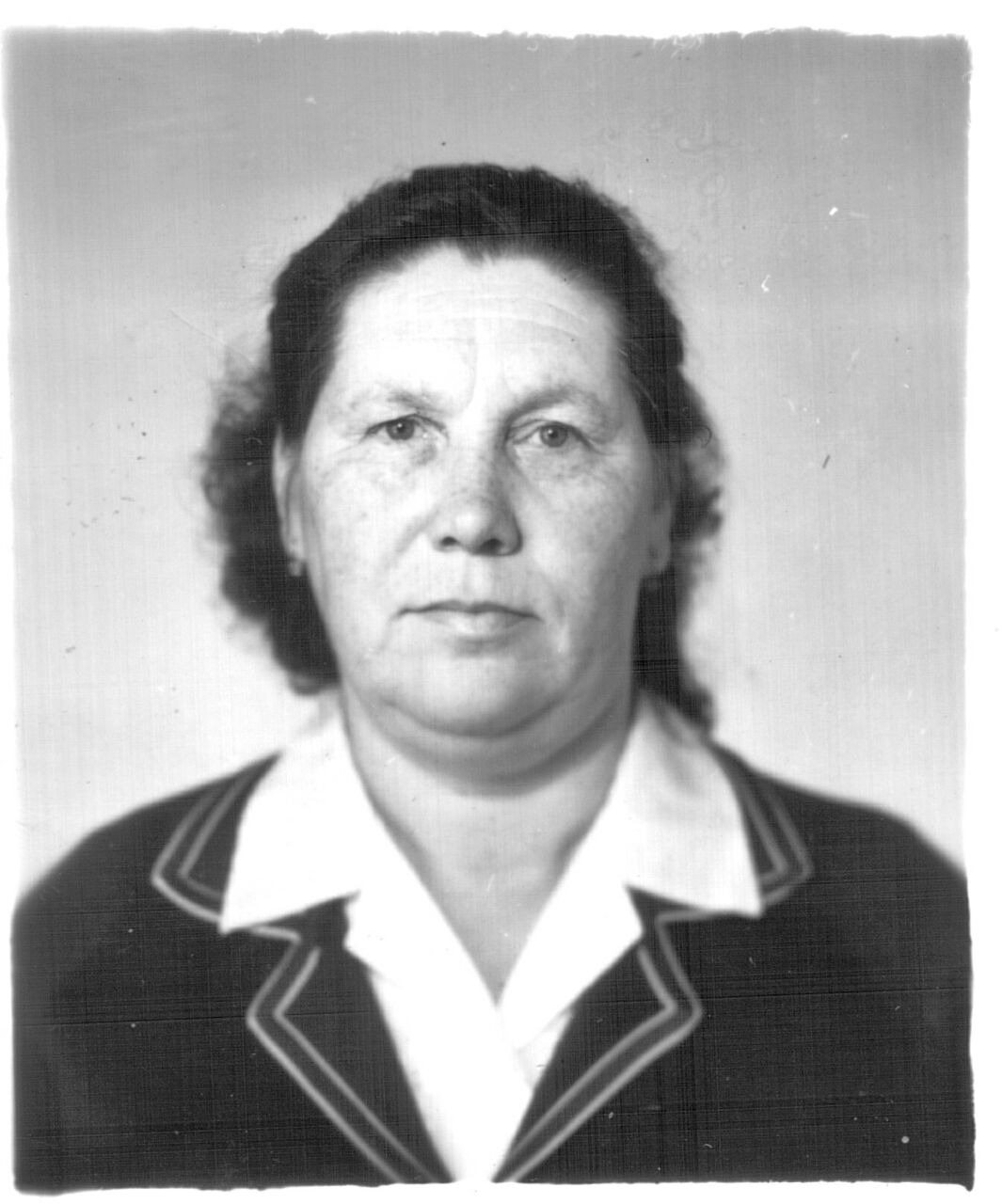
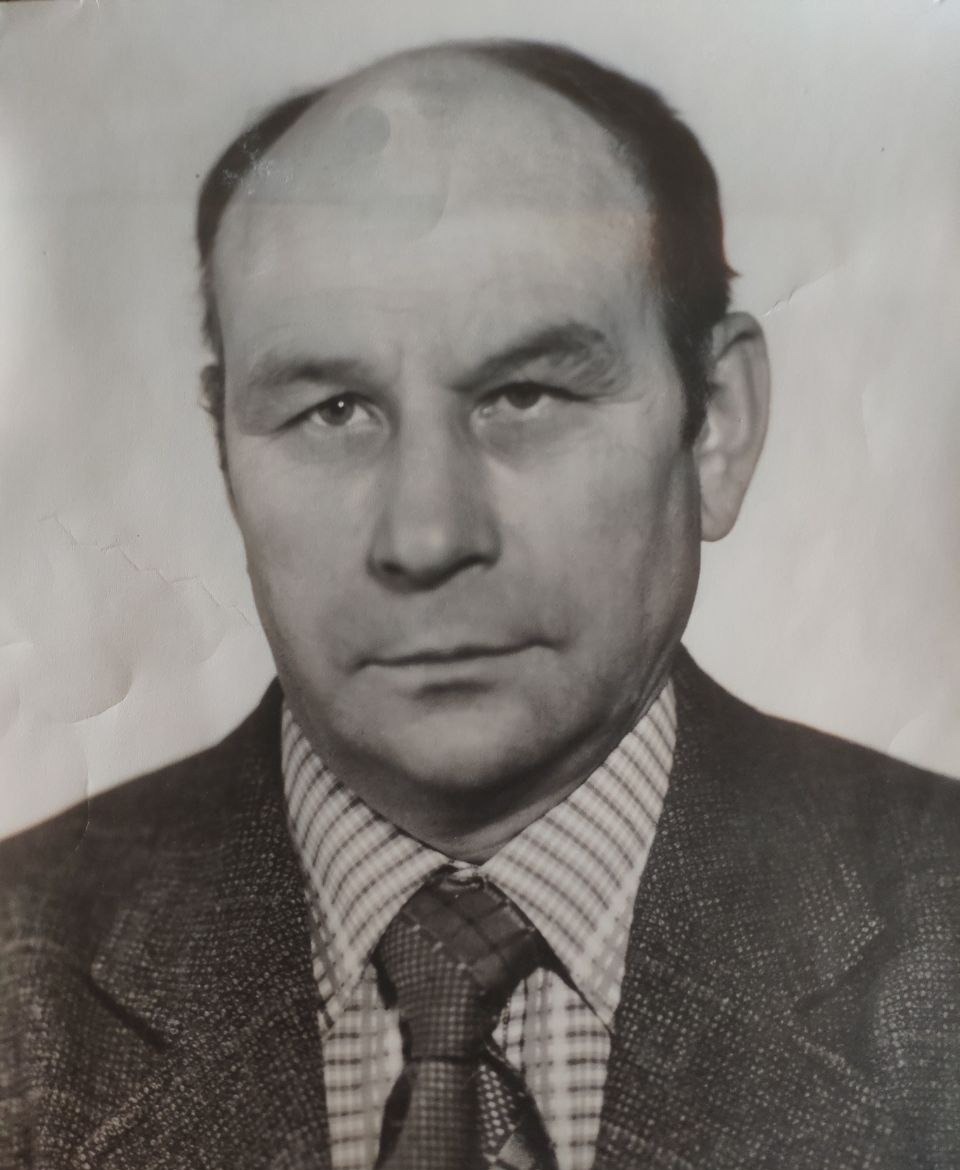
Two weddings. On April 5, 1981, in the Telyakovsky village council of the Yasnogorsk district of the Tula region - again Tula land - they got married Valery Melnikov and Ecaterina Calugoreanu. Born September 9, 1981 Игорь, in 1983 - his brother Владимир. Meanwhile in the family Galina Kamyshanova and Vadim Chebanov born in 1982 Елена, and in 1988 - Андрей. Died in 1990 Sergei Ivanovich Melnikov.
1993–2026Our days
He died early in 1993, at the age of 41. Yuri Pavlovich Kamyshanov; his wife remained in Novorossiysk Анна Александровна (née Shokhina) and sons Олег and Евгений.
In March 2001 Ekaterina Konstantinovna Figurovskaya with her own hand she drew a “Pedigree of Five Generations” on graph paper and wrote notes to it - it is thanks to her that we know the history of the Kolodins, Figurovskys and Kamyshanovs. He died in September of the same year Павел Степанович, who by that time had four grandchildren.
In 2010, Igor and Elena gave birth to Maria. Died in Kapaklia in 2011 Grigory Calugareanu. Born in 2016 Alice; same year Andrey Chebanov with my wife Карли went to Australia. Died in 2017 Valentina Alekseevna Melnikova, in 2022 - Vadim Yuryevich Chebanov. Left in 2026 Irina Yurievna Figurovskaya, daughter of the deceased technician-lieutenant Yuri. She lived all her life in Leningrad-St. Petersburg with her husband, a university teacher. Anatoly Sergeevich Kereychuk; their sons Андрей (1967) and Maxim (1972), Andrey has a son Philip (2002).
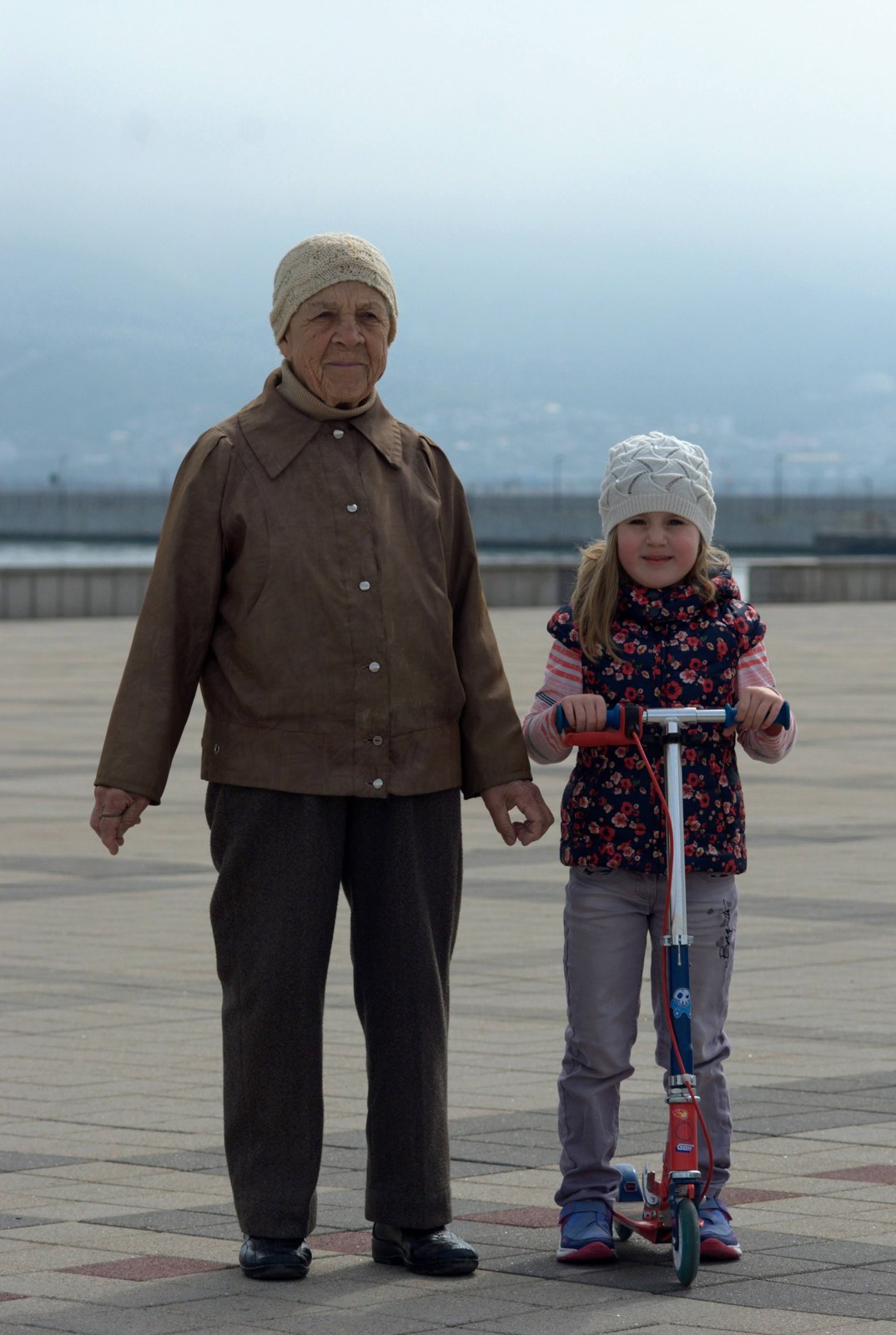
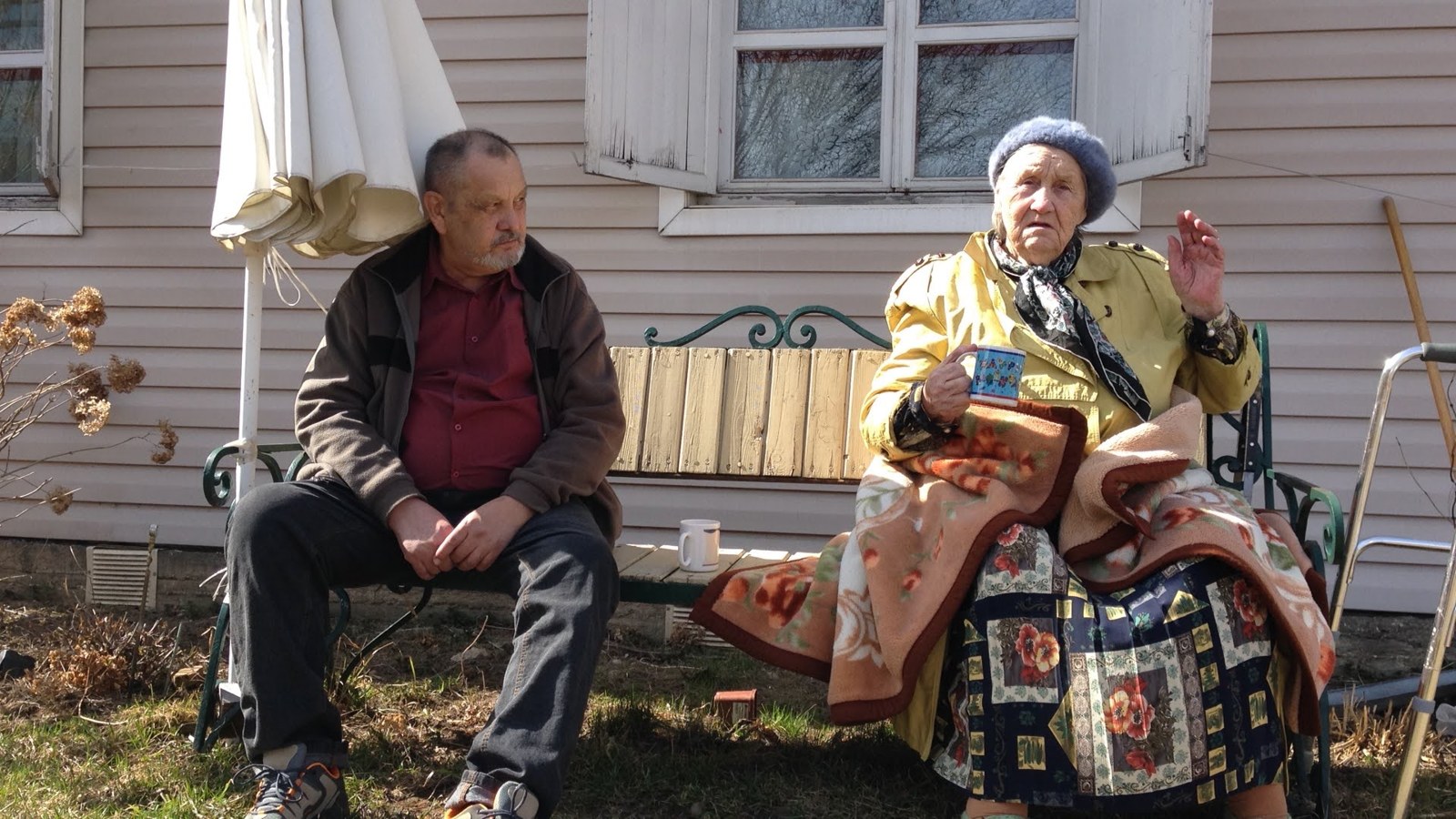
And September 25, 2026 Ekaterina Konstantinovna Figurovskaya turned one hundred years old. A girl from Ostrogozhsk, who changed six schools, survived her father’s arrest, the hungry Arkhangelsk winter and evacuation, is the eldest in our large family.
2001Manuscript of Catherine Konstantinovna: verbatim
The full text of the Notes on the Pedigree, which Ekaterina Konstantinovna Figurovskaya wrote in March 2001 to the diagram she had drawn, “Pedigree of five generations since ~1860.” The text is presented as in a manuscript: its words, order and underlining are preserved; the letter “е” is spaced, and the words transferred across the page border are connected (the border is marked in gray). The Kamyshanovs have their own numbering of generations, according to their branch. Scans of the manuscript and diagrams are in the “Sources” section ( S27 , S28 ).
Notes on Pedigree
Generation I
Kolodin Semyon and Anna, bourgeois.
We lived in the town of Puchezh, Ivanovo region, on the Volga. They owned a tailoring workshop. They had hired workers. The family was large. All children studied in the neighboring city of Yuryevets and received an education. We lived very friendly. All our lives we helped each other.
Semyon Kolodin went crazy at the end of his life. Anna lived until the 40s of the twentieth year [as in the manuscript; meaning - centuries].
Figurovsky Fedor and Ekaterina.
We lived in Kostroma on the Volga. Fedor was a clergyman. They had two daughters and one son.
Generation II
Колодин Арсений Семёнович - the eldest son in the Kolodin family. He was an active Soviet worker in the city on the Volga. Had a large family. His daughter Evgenia Arsenyevna lived in Tuapse, his grandson Stanislav lived in Yalta, and his granddaughter Elena lived in Novorossiysk.
In 1937, Arseny was arrested and died in custody. Posthumously rehabilitated. [end p. 1]
Pozdnysheva Glafira Semyonovna and her daughter Elena Mikhailovna Pozdnysheva are medical workers. They lived in Central Asia and on the Volga. Her granddaughter Galina Stroganova lives in Ivanovo and teaches.
Vladimirova Maria Semenovna and her husband Vladimir Markovich lived in Ivanovo. Maria Semyonovna was deputy. Dean at the Pedagogical Institute, Vladimir Markovich was deputy manager of the regional state office. jar. Their daughter Ariadna graduated from Moscow State University, was a geologist, and lived in Sakhalin, Vorkuta, Bugulma (in Tataria) and Leningrad. Maria Semyonovna’s son Artyom, a journalist, WWII participant, and his wife Tamara Yakovlevna lived in Moscow.
Колодин Фёдор Семёнович and his wife Antonina Grigorievna lived in Moscow. He worked as a teacher and school director. Their daughters Galina and Tatyana live in Moscow with their children and grandchildren.
Колодина София Семёновна was the director of the library. She lived with her son Evgeny in Ivanovo with the Vladimirovs. There [end p. 2]Now he lives with his wife Zoya Efimovna and daughter Anya, and works at a research institute.
Figurovskaya Alexandra Semyonovna After graduating from high school, she worked as a teacher in the Yuryevets district of the Kostroma province. She married Boris Zamolomsky (nobleman) and gave birth to a son, Yuri. During a typhus epidemic, Boris died, and Alexandra survived, but became deaf in one ear. It was no longer possible to work at school. She marries Konstantin Fedorovich Figurovsky, who adopts Yura. After graduating from school, Yura enters the military flight school. After graduating from college, he served in the city of Staraya Russa, Novgorod region. There he marries Tamara Ivanovna. Their daughter Irina was born in 1941. In 1942, Yura died. Irina Yuryevna Figurovskaya with her husband Anatoly Sergeevich Kereychuk, a teacher at Leningrad University, and two sons now live in St. Petersburg.
Фигуровский Константин Фёдорович lived with his parents and two sisters in Kostroma. He began to study at the Kazan Theological Seminary, which, apparently,[end p. 3]wings He enters the Kazan Veterinary Institute, after graduating from which he serves as assistant commander of the 14th artillery regiment (commander of the Khlebnikov regiment) in the veterinary unit, marries Alexandra Semyonovna Zamolomskaya. Their daughter Ekaterina is born. In 1935 he was demobilized. After that, he worked in his specialty in the city of Suzdal, Vladimir region and the city of Rybinsk, Yaroslavl region. In 1937, Konstantin Fedorovich Figurovsky was arrested under Article 58 - “Enemy of the People.” I spent a year in prison. Yura was expelled from school. Alexandra Semyonovna went to work in the accounting department. After the end of his prison term, Yura was reinstated in school. His new place of work was Arkhangelsk, from where he went to the front in 1941.
Due to the terrible famine in Arkhangelsk in the winter of 41–42. Alexandra Semyonovna and her daughter abandoned their apartment in Arkhangelsk and everything that was in it, and moved to the city of Vyatskie Polyany, Kirov Region, where Yura’s family and relatives lived in evacuation.
After demobilization from the army, the Figurovskys moved to the town of Rauta, Leningradskaya [end p. 4]areas. At that time, my daughter was already studying at the institute in Ivanovo. Systematic drunken brawls have become the norm. The family tolerated this, and when it went outside the house, the matter ended in a criminal case with a prison sentence. Alexandra Semyonovna is taken in by relatives. After returning from prison, Konstantin Fedorovich lived in a boarding house in the city of Kovrov, Vladimir region. After her daughter graduated from college, Alexandra Semyonovna lives with her in the city of Novorossiysk, Krasnodar Territory.
III Generation
Фигуровская Екатерина Константиновна For 10 years I studied in 6 schools due to changes in my place of residence. After graduating from school, at the invitation of Maria Semyonovna Vladimirova, her studies continue at the Ivanovo Energy Institute. After graduating from the institute, he was given a job in the “big power industry” in Novorossiysk. In 1951, she married Pavel Stepanovich Kamyshanov. A son, Yuri, and a daughter, Galina, were born. Yuri dies in 1993. His wife Anna Alek lives in Novorossiysk[end p. 5]Sandrovna and sons Oleg and Evgeniy. Daughter Galina lives in Moscow with her daughter Elena and son Andrei. Homeland - Ostrogozhsk, Voronezh region. There was a regiment stationed there in 1926.
Generation II
Камышанова Анастасия Михайловна grew up in Western Belarus (in the Grodno region) in a peasant family. She came to Novorossiysk and married Stepan Ignatievich Kamyshanov. She raised 4 sons. During the war it was stolen by the Germans to Ukraine. After the liberation of Ukraine, she returned home with her sons. My husband returned from the war. The eldest son Pavel continued to serve after the end of the war. After demobilization, Pavel stood up to protect his mother from his father, who offended her. The father left for his homeland.
Камышанов Степан Игнатьевич grew up on the Don, married Anastasia Mikhailovna in Novorossiysk. He was hijacked by the Germans to Ukraine. After the liberation of Ukraine, he fought in the Soviet army. After the war, he left his family and went to the Don.
Generation III
Камышанов Павел Степанович born [end p. 6]in Novorossiysk in the family of a mechanic. Before the war, he finished 9th grade and was deported by the Germans to Ukraine. After the liberation of Ukraine, he served in the Soviet army. At the front he was seriously wounded in the chest. Liberated Crimea and the Baltic states. After the war, he served in the army for another 5 years. After demobilization, he returned to Novorossiysk, married Ekaterina Konstantinovna Figurovskaya, graduated from an industrial technical school and the Moscow Polytechnic Institute in absentia, worked in the “big power industry,” raised a son and a daughter, and has 4 grandchildren.
March 2001
What we don't know yet
- Where and when did you get married? Иван Сергеевич and Praskovya Timofeevna Melnikovs (most likely in Chernyaevka around 1913–1916), will it be confirmed that Praskovya is the daughter of Timofey Sokolov from Kresty, who were Ivan’s parents and when the family moved to Lopasnya.
- Birth record Alexey Bushin (the middle name Logginovich has so far been inferred based on indirect evidence) and his sister-wives Alexandra Prokhorovna; when the family moved from Lidinka to the Moscow region.
- Parents Grigory Calugareanu and maiden name Ekaterina Pleshu.
- Where did the priest serve? Fedor Figurovsky and middle name Boris Zamolomsky.
- Maiden name Anastasia Mikhailovna Kamyshanova and her native village in the Grodno region.
- Chebanov branch. Mom Vadim Yurievich — Lyudmila Petrovna Chebanova, nee Zamyatina. Galina Pavlovna recalls her story that Lyudmila Petrovna’s grandmother was a countess. We need to find out the years and place of her birth, her parents and the name of Vadim’s father. The Zamyatin count family is not listed in the armorials; there are Zamyatnin nobles - perhaps the names are mixed up, or this is a family exaggeration.
If you remember something, write it in the person’s card or in the “Questions” tab.
Where to write: archives and databases
Where can you find out about the fate of relatives? Archives are searched by request, so the more specific the name, year and location, the better. Relationships are usually confirmed by copies of birth and marriage certificates. Records older than 100 years are issued to anyone; about later events - to the person himself, his relatives or by proxy.
Birth, marriage and death records (registry office)
- Civil registry offices through State Services (gosuslugi.ru) - repeated evidence and archival information about records after 1918. For example, birth Valery Sergeevich (Kulakovo, 1949), marriage Sergei Ivanovich and Valentina Alekseevna, birth Ekaterina Konstantinovna (Ostrogozhsk, 1926).
- Main Directorate of the Civil Registry Office of the Moscow Region - records of Lopasnensky (Chekhovsky), Serpukhov and Podolsky districts: Melnikovs, Bushins after moving.
Parish books (until 1918)
- Central State Administration of Moscow (cgamos.ru) - metric books of churches in the Moscow province, online. Podolsk and Serpukhov counties: birth search Ivan Sergeevich and Praskovya Timofeevna Melnikovs (1895).
- TsGAMO (Central State Archive of the Moscow Region) - household books of village councils of the 1930s–1950s, documents of the Lopasnensky timber industry enterprise.
- State Archive of the Tula Region - metric books of churches in the villages of Chernyaevka and Bolokhna, Bogoroditsky district, where Lidinka belonged: births Alexey Bushin and Alexandra Fetisova (circa 1899–1900), their marriage.
- State Archive of the Kostroma Region - clergy registers and metric books of Kostroma: service Fedor Figurovsky, birth Konstantin Fedorovich (1896); books of the Yuryevets district, which included Puchezh until 1929.
- State Archives of Ivanovo Region (ivarh.ru) - Puchezh and Yuryevets after 1918, bourgeois documents of the Kolodins, educational institutions of Ivanov.
- National Archives Agency of Moldova (arhiva.gov.md) - metric books and civil status acts of Kapaklia: birth Grigory Calugareanu (1913), Maria Pleshu (1921), their marriage (1938), parents.
- FamilySearch (familysearch.org) - free scans of parish registers of Bessarabia (Kapaklia, fund 211, inventory 20) and parts of Russian provinces. Free registration required.
- "Yandex Archive Search" (yandex.ru/archive) - full-text search in recognized parish books; regional coverage is growing rapidly.
Military service and war
- "Memory of the People" (pamyat-naroda.ru) - awards, combat path, reports of losses, hospitals. Not yet verified: Stepan Ignatievich Kamyshanov, his sons Иван, Leonid, Владимир, Artyom Vladimirov.
- OBD "Memorial" (obd-memorial.ru) - dead and missing: Yuri Figurovsky, Sergey Fetisov.
- Central Archive of the Ministry of Defense (TsAMO), Podolsk - personal files of officers and registration cards. Service Request Konstantin Figurovsky (military veterinarian, 1941–1945) and Yuri Figurovsky (flight school, 2nd flight school).
- Russian State Military Archive (RGVA) - pre-war army: 14th artillery regiment in Ostrogozhsk (1920s), service records of Konstantin Fedorovich.
- Military registration and enlistment offices at the place of conscription - registration documents: Podolsk (Peter Bushin), Serpukhovsky (Sergey Fetisov), Oktyabrsky Arkhangelsk (Konstantin Figurovsky).
Repression
- Information centers of the Ministry of Internal Affairs and archives of the Federal Security Service in the area of arrest - certificates of rehabilitation and familiarization of relatives with the case. Arseny Kolodin (1937, probably Ivanovo or Kostroma region - you need to specify the city); Konstantin Figurovsky (1937, Suzdal or Rybinsk - Vladimir or Yaroslavl region).
- Regional prosecutor's office - if the FSB responds that the case has been transferred: documents on rehabilitation.
- "Open List" (openlist.wiki) and regional Books of Memory of Victims of Political Repression - consolidated databases; Arseny Kolodin is not there yet.
Hijacking, evacuation, life after the war
- State Archive of the Krasnodar Territory and the archive of Novorossiysk - documents about those stolen during the years of occupation (Анастасия Михайловна, Степан Игнатьевич, Pavel Kamyshanov) and about filtering after return.
- State Archives of the Kirov Region - evacuated to Vyatskie Polyany (Yuri’s family, Alexandra Semyonovna with her daughter, 1942).
- State Archives of the Arkhangelsk Region - residents of Arkhangelsk 1937–1941 (Figurovskys).
- National Historical Archive of Belarus in Grodno — metric books and censuses of the Grodno region: native village Anastasia Mikhailovna (circa 1898).
- State Archive of the Rostov Region - Don homeland Stepan Ignatievich Kamyshanov.
If you have already written to some archive or received a response, tell us in the “Discussion” so as not to ask twice.